By interest
Best Books for Gardeners
Practical and reflective, sorted by what kind of gardener they are, chosen with American gardens in mind.
Updated September 2026 · By Sawyer V.

The short version
Ask what kind of gardener they are. A vegetable grower wants a method, a designer wants ideas about planting, and a gardener who thinks about wildlife wants Bringing Nature Home. For someone who already owns the manuals, a reflective book about gardening is the gift they will not buy themselves.
Some links on this page are affiliate links. If you buy through one we earn a commission at no extra cost to you, and it does not change which books are here or the order they appear in. Read the full disclosure.
How we picked
We chose books that work across American growing regions rather than ones written for a single climate, and balanced practical manuals with reflective reading. We have not read all eight, and we have not grown anything from them.
What we do on every list: read the publisher’s own description rather than a summary of it, check print length and first publication year against library catalog data (last refreshed October 25, 2026), confirm the book is still sold in the format we suggest, and write the match line before the blurb. What we do not do is claim to have read every book here cover to cover. The full method is published, and it is written so anyone can check it.
The short answer
Who each book is for, at a glance. Select a row for the full write-up.
| # | Book | Give this if | Where to buy |
|---|---|---|---|
| 1 | 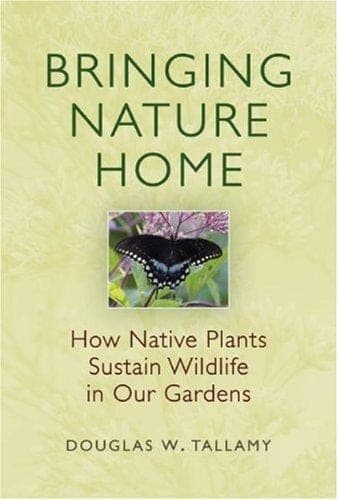 Bringing Nature HomeDouglas W. Tallamy · 288 pagesThe one that changes the yard | they care about birds, bees or butterflies | |
| 2 | 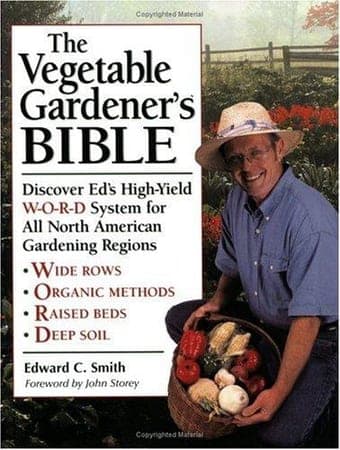 The Vegetable Gardener's BibleEdward C. Smith · 320 pagesThe vegetable grower | they grow food and want a complete method | |
| 3 | 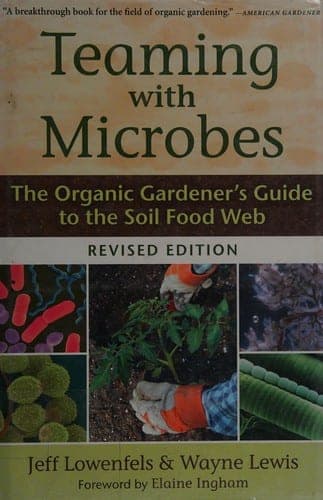 Teaming with MicrobesJeff Lowenfels · 266 pagesThe soil nerd | they compost and want to know what is actually happening | |
| 4 | 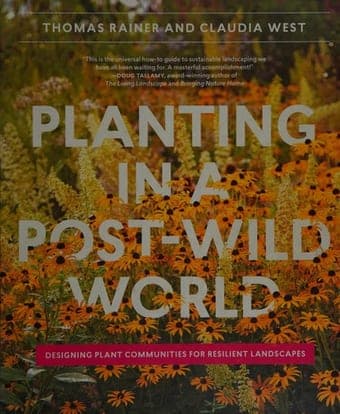 Planting in a Post-Wild WorldThomas Rainer · 271 pagesThe designer | they think about how a garden looks as a whole | |
| 5 | 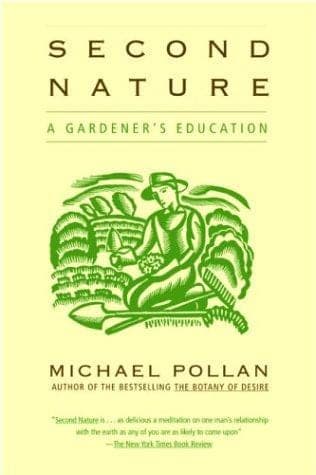 Second NatureMichael Pollan · 304 pagesThe reflective gardener | they like reading about gardening as much as doing it | |
| 6 | 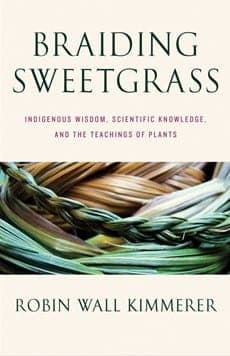 Braiding SweetgrassRobin Wall Kimmerer · 409 pagesThe one about gratitude | they garden because it makes them feel connected to something | |
| 7 | 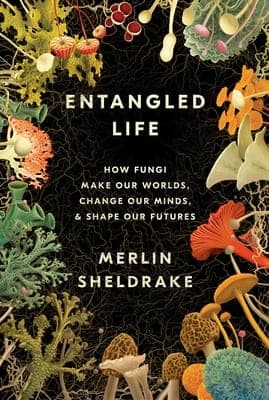 Entangled LifeMerlin Sheldrake · 368 pagesThe one about what is underground | they are fascinated by compost, mushrooms or roots | |
| 8 | 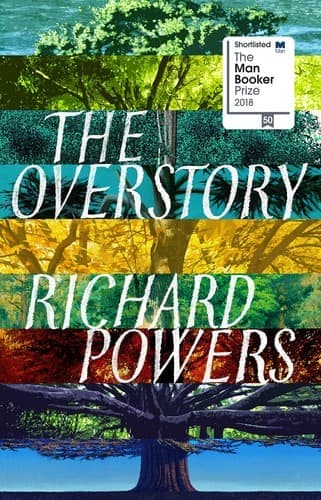 The OverstoryRichard Powers · 531 pagesThe novel | they read serious fiction and love trees |
#ad — buying through these links earns us a commission at no cost to you. Prices, where shown, come straight from Amazon’s product feed; the listing is always the final word.
Eight, by the kind of gardener
1. The one that changes the yard
Bringing Nature Home
Douglas W. Tallamy
Give this ifthey care about birds, bees or butterflies
Douglas Tallamy on why native plants matter so much to insects, and therefore to birds, and how an ordinary yard can become habitat. Written for North American gardens, and practical about what to plant.
- Print length
- 288 pages
- First published
- 2007
- Formats
- print, Kindle and audio where the publisher offers them
#ad — how we’re funded · price as of October 25, 2026
2. The vegetable grower
The Vegetable Gardener's Bible
Edward C. Smith
Give this ifthey grow food and want a complete method
A complete system for growing vegetables in wide, deep raised rows, from preparing the soil to harvest. Thorough and well organized — the kind of reference that ends up with soil on its pages.
- Print length
- 320 pages
- First published
- 2000
- Formats
- print, Kindle and audio where the publisher offers them
#ad — how we’re funded · price as of October 25, 2026
3. The soil nerd
Teaming with Microbes
Jeff Lowenfels
Give this ifthey compost and want to know what is actually happening
The soil food web explained for gardeners: the bacteria, fungi and small creatures that feed plants, and how everyday gardening helps or harms them. Scientific without being dry, and it changes how people think about fertilizer.
- Print length
- 266 pages
- First published
- 2006
- Formats
- print, Kindle and audio where the publisher offers them
#ad — how we’re funded · price as of October 25, 2026
4. The designer
Planting in a Post-Wild World
Thomas Rainer
Give this ifthey think about how a garden looks as a whole
Two landscape designers on plantings that behave like natural plant communities — layered, dense and largely self-sustaining — rather than tidy beds with mulch between. Beautifully illustrated and full of ideas.
- Print length
- 271 pages
- First published
- 2015
- Formats
- print, Kindle and audio where the publisher offers them
#ad — how we’re funded · price as of October 25, 2026
5. The reflective gardener
Second Nature
Michael Pollan
Give this ifthey like reading about gardening as much as doing it
Michael Pollan's first book: essays on a New England garden and what it teaches about our relationship with nature, from lawns to weeds. Wry and thoughtful, and a good gift for a gardener who already owns the manuals.
- Print length
- 304 pages
- First published
- 1991
- Formats
- print, Kindle and audio where the publisher offers them
#ad — how we’re funded · price as of October 25, 2026
6. The one about gratitude
Braiding Sweetgrass
Robin Wall Kimmerer
Give this ifthey garden because it makes them feel connected to something
A botanist and member of the Citizen Potawatomi Nation on plants, reciprocity, and what Indigenous knowledge offers alongside science. Slow, generous and best read a chapter at a time.
- Print length
- 409 pages
- First published
- 2013
- Formats
- print, Kindle and audio where the publisher offers them
#ad — how we’re funded · price as of October 25, 2026
7. The one about what is underground
Entangled Life
Merlin Sheldrake
Give this ifthey are fascinated by compost, mushrooms or roots
A biologist on fungi: the networks that link plant roots, break down the dead and make soil what it is. It turns the ground under a garden into something much stranger and more interesting than most gardeners imagine.
- Print length
- 368 pages
- First published
- 2020
- Formats
- print, Kindle and audio where the publisher offers them
#ad — how we’re funded · price as of October 25, 2026
8. The novel
The Overstory
Richard Powers
Give this ifthey read serious fiction and love trees
Nine Americans whose lives are shaped by trees are drawn together as the last old-growth forests are threatened. An ambitious novel, and the rare piece of fiction in which the trees are the real protagonists.
One caveat: Long, and dense in places.
- Print length
- 531 pages
- First published
- 2018
- Formats
- print, Kindle and audio where the publisher offers them
#ad — how we’re funded · price as of October 25, 2026
What kind of gardener are they?
Gardeners divide more sharply than most hobbyists, and a book aimed at the wrong kind sits unread. Ask one question — what do they grow? — and the shelf sorts itself.
- Vegetables: a method book like The Vegetable Gardener's Bible, which they will use every season.
- Flowers and design: Planting in a Post-Wild World, which is about how a garden looks and works as a whole.
- Wildlife: Bringing Nature Home, which is about planting for insects and birds.
- Everything, for decades: a reflective book like Second Nature or Braiding Sweetgrass, because they already own the manuals.
The climate problem
Practical gardening books are written for particular climates, and the difference matters. Frost dates, soil and rainfall vary enormously across the United States, and advice that is right in the Pacific Northwest can be wrong in Texas.
That is why the practical picks here are about principles that travel — soil biology, native planting, design — or are written to be adapted. When in doubt, a reflective book is the safer gift; nobody's garden is the wrong climate for an essay.
Pairing a book with something to grow
A gardening book pairs naturally with something small — a packet of native seeds with Bringing Nature Home, or good gloves with the vegetable manual. Gifts for book lovers that are not books covers the non-book side, books for new retirees suits someone who has just found time for the garden, and books for science lovers suits a gardener who wants the biology.
Many gardeners listen while they work, which makes an audiobook a surprisingly good fit for this hobby in particular. The subscription panel on this page explains which service suits that.
Two ways to read this list for less
If several books here appeal, a subscription usually beats buying them one at a time — but only for the right kind of reader. Here is who each one actually suits.
Audible Premium Plus
For anyone whose hands are busy
Driving, walking, cooking, cleaning. It converts hours that were never available for reading, which is a bigger effect than any discount. Books bought with a credit stay yours after you cancel — titles from the included catalog do not, and confusing the two is the most common complaint about the service.
See Audible plans and current pricingHow Audible actually works — credits, gifting and what happens when you cancel.
Kindle Unlimited
For fast readers who browse
It pays off from about three ebooks a month, in the genres the catalog covers well — romance, romantasy, cozy mystery, thriller, progression fantasy. It does not pay off if you are waiting on a specific new hardcover, because those are usually not included. Everything is borrowed, not owned.
See Kindle Unlimited terms and pricingIs Kindle Unlimited worth it? — the arithmetic, done on your own reading.
#ad — how we are funded. We print no subscription prices anywhere on this site, because they change and a stale figure sends you to a checkout expecting something that is not there. And if you read in silence in a chair, neither of these is for you — buy the book, or borrow it from your library.
What we would skip
A plant encyclopedia, or a how-to for the wrong climate
Big plant encyclopedias are expensive, heavy and usually already on the shelf, and a how-to written for a different climate is actively unhelpful — advice for an English cottage garden does not work in Arizona. If you want a practical book, confirm their region first. Otherwise give something reflective, which works anywhere.
Questions people ask
What is a good book for a gardener?
Bringing Nature Home for anyone who cares about wildlife, The Vegetable Gardener's Bible for someone who grows food, and Second Nature for a gardener who already owns the manuals.
What is a good book about native plants?
Bringing Nature Home by Douglas Tallamy is the usual starting point. It explains why native plants matter to insects and birds, and it is written for North American gardens.
Are gardening books regional?
Practical ones often are. Check their climate before buying a how-to, or choose a book about principles or a reflective one, which works anywhere.
What should I avoid giving a gardener?
A general plant encyclopedia they probably own already, or a how-to written for a very different climate from theirs.
Sources
- Open Library Search API — First publication year, median print length and cover art for every book on this page. Queried 8 September 2026.
- Audible Premium Plus membership page — The only authoritative source for current Audible plans, prices and terms.
Read next
- Gifts for Book Lovers That Aren't Books
For the reader who owns everything: what gets used, what gets re-gifted, and why.
- Best Books for Someone Who Just Retired
Seven books for the first stretch of real reading time in decades, including the long one.
- Books to Give Grandparents
Seven books chosen without condescension, and the format question that decides whether they get read.
- Best Books for Science Lovers
Eight books for a science lover, from a funny history of everything to genetics, physics and one novel.
- Best Book Gifts for Mom
Seven interruptible books for a reader who gets twenty minutes at a time.
- Best Books for Nature Lovers
Eight books for a nature lover: classic nature writing, animal science, conservation and poetry.