
The framework
How to Choose a Book as a Gift
Five questions in order, and what to buy when you can answer none of them.
Updated September 2026 · Sawyer V.
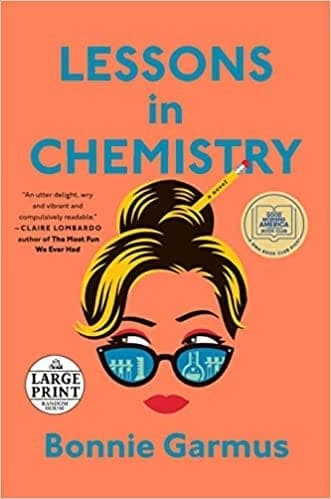
Top pick
Lessons in Chemistry
Bonnie Garmus
Margin & Muse — book gifts, matched to the person.
Matching
Start from the book they loved and work outward — naming which part of it each suggestion actually matches.
Updated September 2026 · By Sawyer V.
The short version
Work out which element of the book they loved: the world, the voice, the pace, the relationship or the puzzle. Different readers loved completely different parts of the same book, and a read-alike that matches the wrong element will disappoint.
The reason most "if you liked X, try Y" recommendations miss is that they treat the source book as one thing. It is not. Two people who both adored the same novel frequently loved different parts of it, and giving them the same follow-up will delight one and bore the other.
Take a famous twisty thriller. One reader loved the structure — the trick, the withheld information, the moment the floor moves. Another loved the marriage, the venom, the awful precision of two people who know exactly where to press. A structural read-alike will bore the second reader senseless, and a domestic one will feel slow to the first.
So every read-alike page here states, for each suggestion, which specific element it matches. That is an editorial judgment we can defend on the evidence of the books themselves, and it is far more useful than a similarity score nobody can audit.
| Element | What they say about it | What to match on |
|---|---|---|
| World | "I did not want to leave" | Depth and internal consistency of setting; series length matters here |
| Voice | "I would read their shopping list" | The narrator's personality and sentence rhythm, regardless of plot |
| Pace | "I read it in two days" | Chapter length, hooks, momentum — genre matters less than tempo |
| Relationship | "I was so invested in them" | The dynamic specifically: rivals, slow burn, found family, second chance |
| Puzzle | "I did not see it coming" | Fair-play construction and the quality of the reveal |
If you can get one sentence out of the person about why they liked something, you can usually tell which row they are in — and that single sentence is worth more than any amount of browsing. If you cannot ask them, the how-to-choose guide covers what to do with only partial information.
How to choose for someone whose taste you only partly know, which is the situation almost every gift buyer is in — and what is currently in the conversation if you would rather start from there.
The framework
Five questions in order, and what to buy when you can answer none of them.
Updated September 2026 · Sawyer V.
Top pick
Lessons in Chemistry
Bonnie Garmus

Most talked about
Nine books currently in the conversation, with what is driving each one separated from what it is like.
Updated September 2026 · Sawyer V.
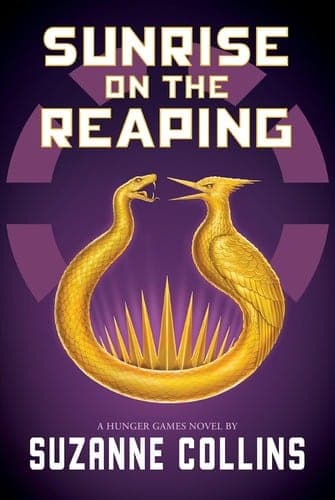
Top pick
Sunrise on the Reaping
Suzanne Collins
For the reader who has narrowed it to two books and wants somebody to break the tie. Each page names who each option suits and who should skip it.

Head to head
One is the mechanics of behavior, the other is direction. Which to buy, by the problem you have.
Updated September 2026 · Sawyer V.
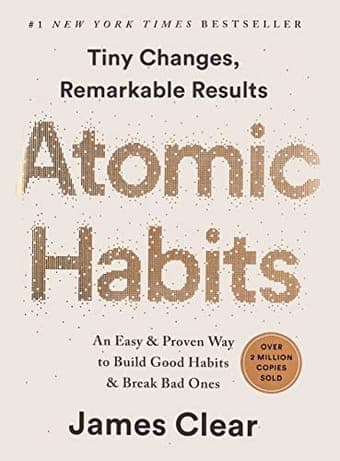
Top pick
Atomic Habits
James Clear

Head to head
Same author, same engine: which Weir novel to read first, and what to read after both.
Updated September 2026 · Sawyer V.
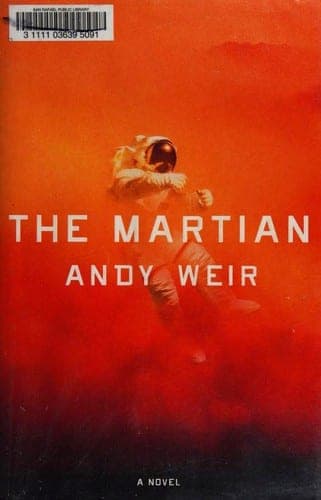
Top pick
The Martian
Andy Weir

Head to head
Where to start with Tolkien, including which one to give a nine-year-old.
Updated September 2026 · Sawyer V.
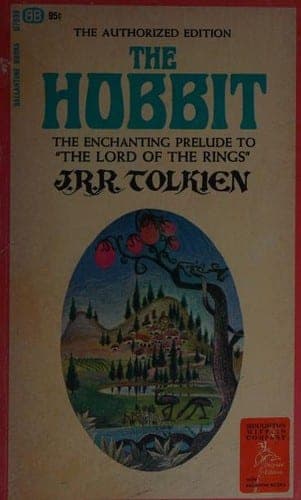
Top pick
The Hobbit
J. R. R. Tolkien
Head to head
Two novels about a difficult, brilliant woman — and which one is safe to give unwarned.
Updated September 2026 · Sawyer V.
Top pick
Lessons in Chemistry
Bonnie Garmus

Head to head
Faeries or dragons: pace, heat and commitment compared, with where each payoff sits.
Updated September 2026 · Sawyer V.
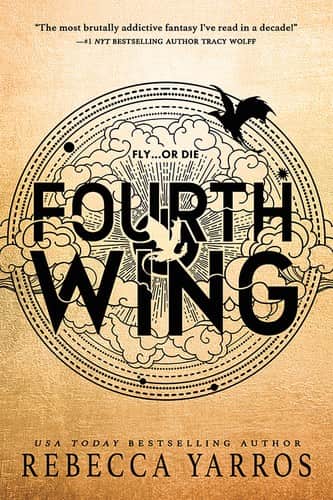
Top pick
Fourth Wing
Rebecca Yarros

Head to head
One twist lands halfway and rewrites the book; the other waits for the last page.
Updated September 2026 · Sawyer V.
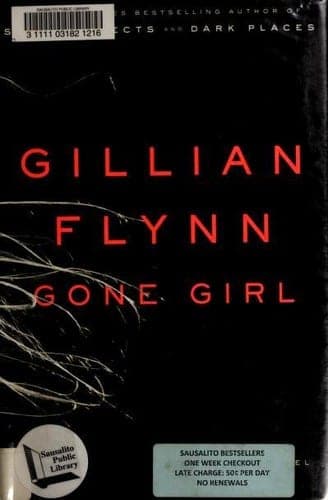
Top pick
Gone Girl
Gillian Flynn

Head to head
Two memoirs of an impossible childhood: one ends in estrangement, one in something like peace.
Updated September 2026 · Sawyer V.
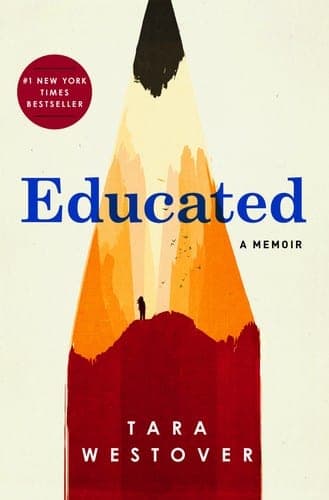
Top pick
Educated
Tara Westover
Head to head
A sweeping tour against a single geographic thesis — and the criticisms of both.
Updated September 2026 · Sawyer V.
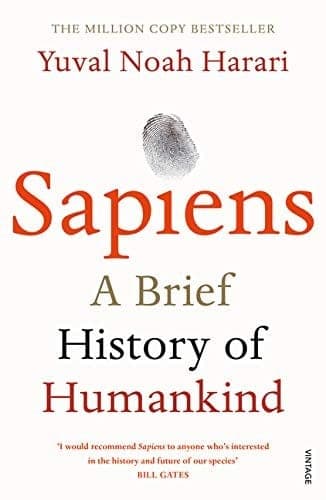
Top pick
Sapiens
Yuval Noah Harari

Head to head
Immersion against ideas: which of the two founding science fiction epics to read first.
Updated September 2026 · Sawyer V.
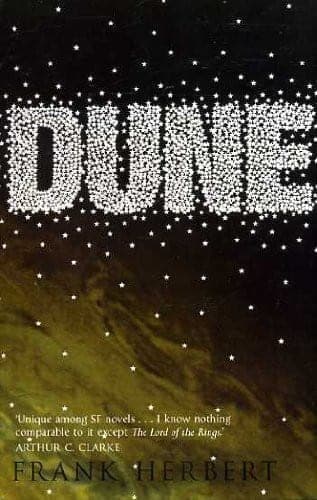
Top pick
Dune
Frank Herbert
Long series get bought one book at a time, and the order is the first question. Publication order, with the crossovers explained.

Reading order
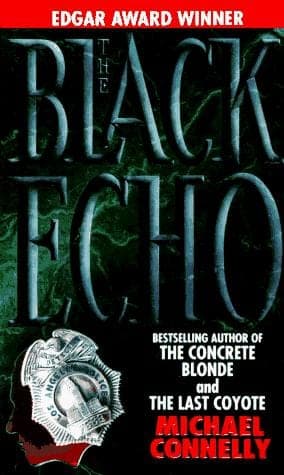
Every Connelly novel in publication order, including the five books that belong to two series at once.
Updated September 2026 · Sawyer V.
Top pick
The Black Echo
Michael Connelly

Reading order
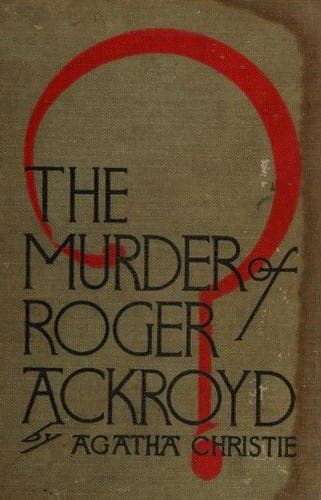
You mostly do not need an order — but three rules matter, and the first book is not the one to start with.
Updated October 2026 · Sawyer V.
Top pick
The Murder of Roger Ackroyd
Agatha Christie

Reading order
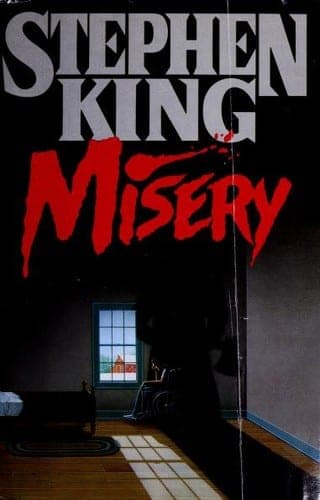
One series in sequence, three rules that matter, and nine entry points — none of which is the book most people start with.
Updated October 2026 · Sawyer V.
Top pick
Misery
Stephen King

Reading order
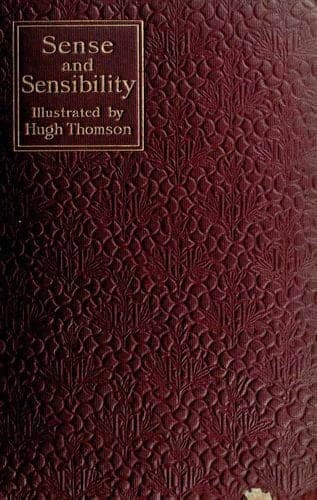
Six novels, no sequels, and two publication dates that disagree with themselves — plus the one that puts readers off for life.
Updated October 2026 · Sawyer V.
Top pick
Sense and Sensibility
Jane Austen
Reading order
One series in sequence, everything else in any order you like — and the short story the guides cannot agree on.
Updated October 2026 · Sawyer V.
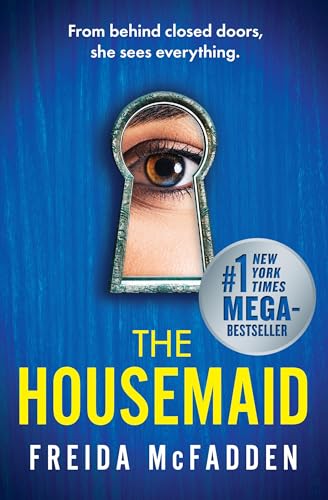
Top pick
The Housemaid
Freida McFadden
Reading order
One mandatory pair, four short series, and the right starting point depending on whether they read romance at all.
Updated October 2026 · Sawyer V.
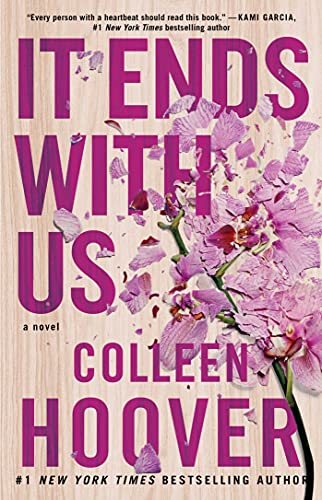
Top pick
It Ends with Us
Colleen Hoover

Reading order
Standalones almost all the way down, one sequel to know about, and the right place to start depending on how much weight they want.
Updated October 2026 · Sawyer V.
Top pick
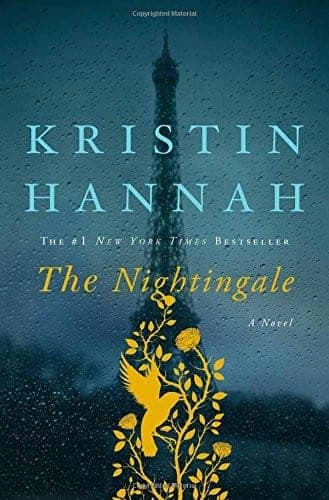
The Nightingale
Kristin Hannah
Matched on world, voice or relationship — each entry says which, because those readers want different things next.

Best after Fourth Wing
Eight read-alikes, each naming whether it matches the dragons, the academy, the romance or the pace.
Updated September 2026 · Sawyer V.
Top pick
Iron Flame
Rebecca Yarros
Best after ACOTAR
Eight read-alikes sorted by whether the reader loved the world, the romance, the darkness or the scale.
Updated September 2026 · Sawyer V.
Top pick
Fourth Wing
Rebecca Yarros

Best after Harry Potter
Eight read-alikes sorted by which part you miss — the school, the friends, the world, or being eleven.
Updated September 2026 · Sawyer V.
Top pick
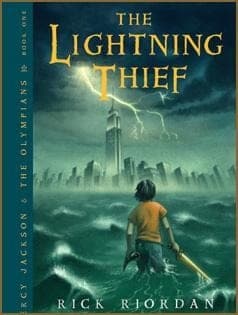
The Lightning Thief
Rick Riordan
Best after Tolkien
Eight read-alikes, each matching one of the four things Tolkien did at once.
Updated September 2026 · Sawyer V.
Top pick
The Hobbit
J. R. R. Tolkien

Best after Game of Thrones
Eight epic fantasies for a Game of Thrones reader, split by politics, gray characters and scale.
Updated September 2026 · Sawyer V.
Top pick
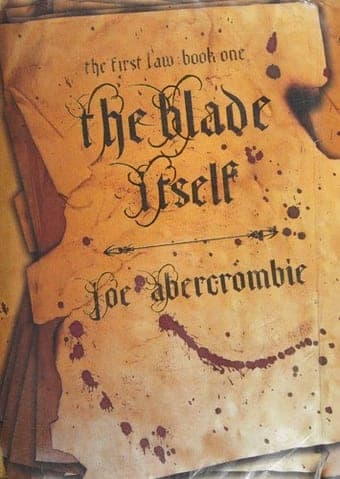
The Blade Itself
Joe Abercrombie

Best after Percy Jackson
Eight books for a young Percy Jackson fan: new mythologies, funny narrators and classic quests.
Updated September 2026 · Sawyer V.
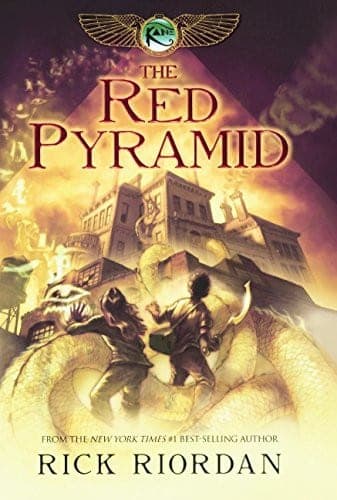
Top pick
The Red Pyramid
Rick Riordan
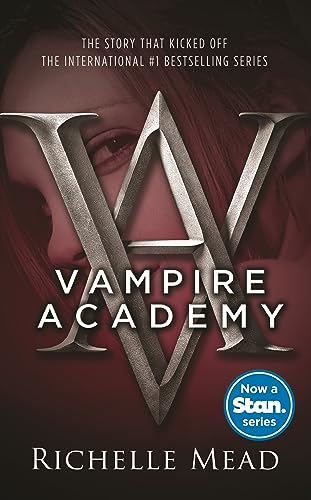
Best after Twilight
Eight paranormal romances for a Twilight reader, from YA favorites to grown-up romantasy.
Updated September 2026 · Sawyer V.

Top pick
Vampire Academy
Richelle Mead
Matched on structure, dread, domestic tension, the puzzle or the pace. They feel nothing alike from inside.

Best after Gone Girl
Eight thrillers split by whether the reader loved the trick or the marriage.
Updated September 2026 · Sawyer V.
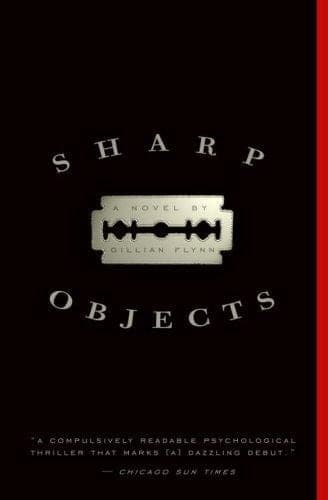
Top pick
Sharp Objects
Gillian Flynn
Best after The Silent Patient
Eight thrillers sorted by how the trick is built, plus the diminishing-returns problem.
Updated September 2026 · Sawyer V.
Top pick
Gone Girl
Gillian Flynn
Best after McFadden
Eight thrillers matched on velocity, which is the mechanism her books actually run on.
Updated September 2026 · Sawyer V.
Top pick
The Housemaid
Freida McFadden

Best after The Da Vinci Code
Eight puzzle thrillers, split by whether they loved the codes, the secret history or the pace.
Updated September 2026 · Sawyer V.
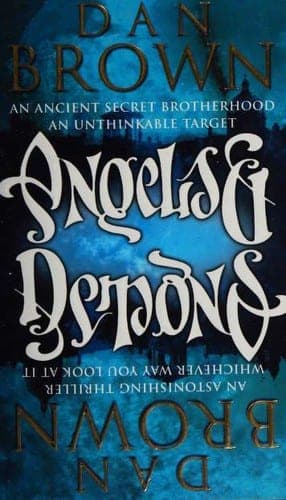
Top pick
Angels & Demons
Dan Brown

Best after Reacher
Eight action thrillers matched to the part of Reacher a reader loves most.
Updated September 2026 · Sawyer V.
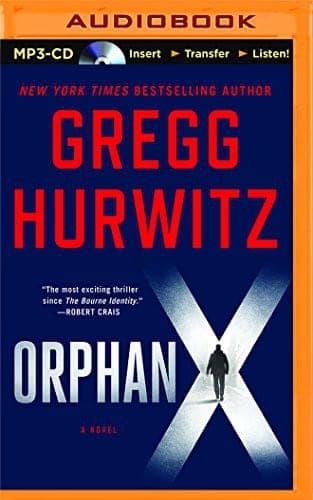
Top pick
Orphan X
Gregg Hurwitz

Best after Rebecca
Eight gothic novels for a Rebecca reader, split by whether they loved the house, the marriage or the dread.
Updated September 2026 · Sawyer V.
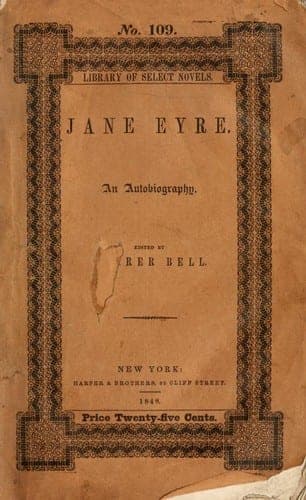
Top pick
Jane Eyre
Charlotte Brontë

Best after Agatha Christie
Eight mysteries for a reader out of Christies, sorted by whether they loved the puzzle, the circle, the village or the period.
Updated October 2026 · Sawyer V.
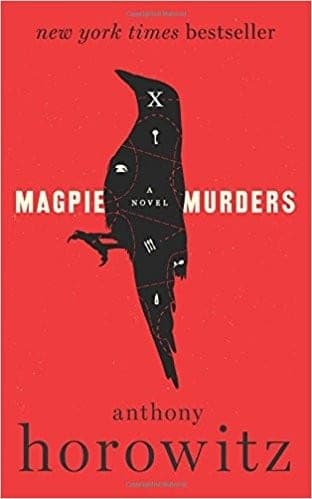
Top pick
Magpie Murders
Anthony Horowitz
Matched on the heartbreak, the sparring or the history. Heat and hard topics are flagged where they apply.

Best after It Ends With Us
Eight emotional love stories for an It Ends With Us reader, with notes on the hard topics.
Updated September 2026 · Sawyer V.
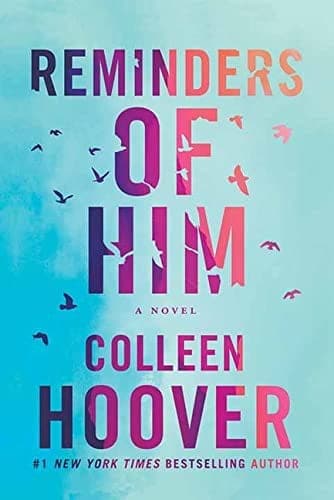
Top pick
Reminders of Him
Colleen Hoover

Best after Pride and Prejudice
Eight books for a Pride and Prejudice reader: more Austen, the Victorians and the best retellings.
Updated September 2026 · Sawyer V.
Top pick
Persuasion
Jane Austen

Best after Outlander
Eight novels for an Outlander reader: time-slip romance, Scottish history and historical epics.
Updated September 2026 · Sawyer V.
Top pick
The Winter Sea
Susanna Kearsley
Matched on whatever the book club argued about: the setting, the secret, the friendship or the voice.
Best after Crawdads
Eight novels matched to what a Crawdads reader loved: the place, the girl, the mystery or the trial.
Updated September 2026 · Sawyer V.
Top pick
The Great Alone
Kristin Hannah

Best after Evelyn Hugo
Eight novels for an Evelyn Hugo reader, matched to the glamour, the secret or the life told at last.
Updated September 2026 · Sawyer V.
Top pick
Daisy Jones & The Six
Taylor Jenkins Reid

Best after The Midnight Library
Eight novels for a Midnight Library reader: other lives, warmth, or a reckoning with the one lived.
Updated September 2026 · Sawyer V.
Top pick
Life After Life
Kate Atkinson

Best after A Little Life
Eight devastating novels for a reader who loved A Little Life, with content notes on every pick.
Updated September 2026 · Sawyer V.
Top pick
The Great Believers
Rebecca Makkai

Best dark academia
Eight dark academia novels for a Secret History reader, split by clique, crime, magic and mood.
Updated September 2026 · Sawyer V.
Top pick
If We Were Villains
M. L. Rio

Best after Normal People
Eight novels for a Normal People reader, split by the couple, the voice and the author.
Updated September 2026 · Sawyer V.
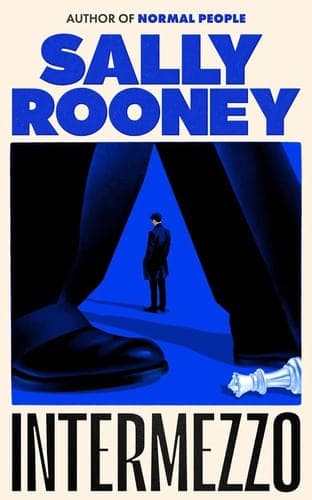
Top pick
Intermezzo
Sally Rooney

Best after Lessons in Chemistry
Eight novels for a Lessons in Chemistry reader, split by whether they loved the voice, the found family or the anger.
Updated September 2026 · Sawyer V.
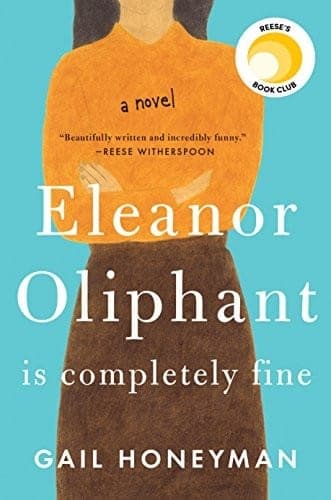
Top pick
Eleanor Oliphant Is Completely Fine
Gail Honeyman
Matched on the science, the politics or the game, which are three different readers.
Best after Project Hail Mary
Eight science fiction novels for a Project Hail Mary reader: the science, the humor or the alien.
Updated September 2026 · Sawyer V.
Top pick
The Martian
Andy Weir
Best after The Hunger Games
Eight dystopian novels for a Hunger Games reader: the game, the rebellion, or more of Panem.
Updated September 2026 · Sawyer V.
Top pick
Sunrise on the Reaping
Suzanne Collins
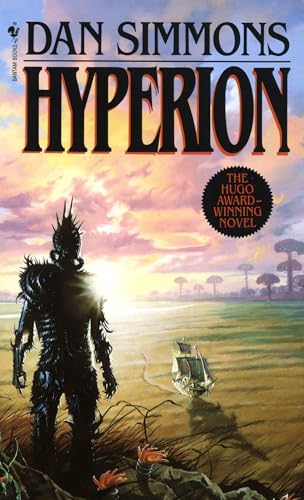
Best after Dune
Eight science fiction epics for a Dune reader, split by politics, religion and world.
Updated September 2026 · Sawyer V.
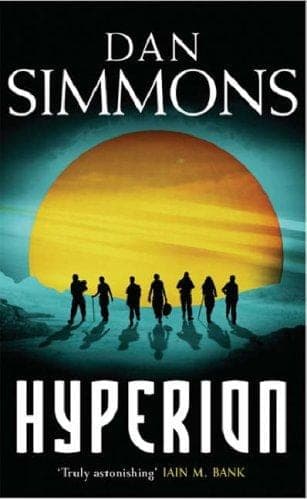
Top pick
Hyperion
Dan Simmons
Best after Ready Player One
Eight novels for a Ready Player One reader: virtual worlds, game quests and the humor.
Updated September 2026 · Sawyer V.
Top pick
The Martian
Andy Weir
Where the attachment is usually to the argument or the voice rather than the subject.
Best after Atomic Habits
Eight books that extend or contest the argument, plus the genre's replication problem.
Updated September 2026 · Sawyer V.
Top pick
Deep Work
Cal Newport

Best after Educated
Eight memoirs for an Educated reader: hard childhoods, family reckonings and the way out.
Updated September 2026 · Sawyer V.
Top pick
The Glass Castle
Jeannette Walls

Best after Sapiens
Eight big-history books for a Sapiens reader: the sweep, the argument and the pushback.
Updated September 2026 · Sawyer V.
Top pick
Guns, Germs, and Steel
Jared Diamond
The adaptation question, answered book by book: what the film cut, and when the film is the better version.
Best after the credits
Eight books worth reading after the film, what each adaptation cut, and when the movie wins.
Updated September 2026 · Sawyer V.
Top pick
Dune
Frank Herbert
Read-alike lists are full of first-in-series books, and as gifts they carry a specific risk: you are not giving one book, you are proposing a project. For a heavy reader that is a gift. For someone with forty minutes of reading a week, a five-book fantasy series is a quiet obligation sitting on the nightstand.
Two rules make this safe. If the recipient reads a lot, a first-in-series is generous — they will know whether to continue. If they do not, favor standalones, and we mark them on every list. Never give book three of anything, however good, unless you have personally watched them finish book two.
By naming the specific element it matches — world, voice, pace, relationship or puzzle — and saying so on the page. It is an editorial judgment about the books themselves, not a similarity score, and we would rather be arguable than pretend to a measurement.
Only if you are certain they have not already read it, which for a series is genuinely hard to be. A standalone by the same author, or a book matching the element they loved, is much safer ground.
Use television. Someone who watched a whole crime drama in a weekend will take a thriller; someone who rewatches the same comfort show wants something warm. It is a rougher signal than a book but it is a real one.
No, and a gift receipt removes the whole worry. What lands badly is a book that is clearly about the giver, or one that is obviously about a problem the giver thinks they have.
The published, reproducible method behind every list here.
Five questions in order, and what to buy when you can answer none of them.