Format
Print vs Kindle
Not a rivalry. Two objects that are each clearly better at specific things.
Updated September 2026 · By Sawyer V.
The short version
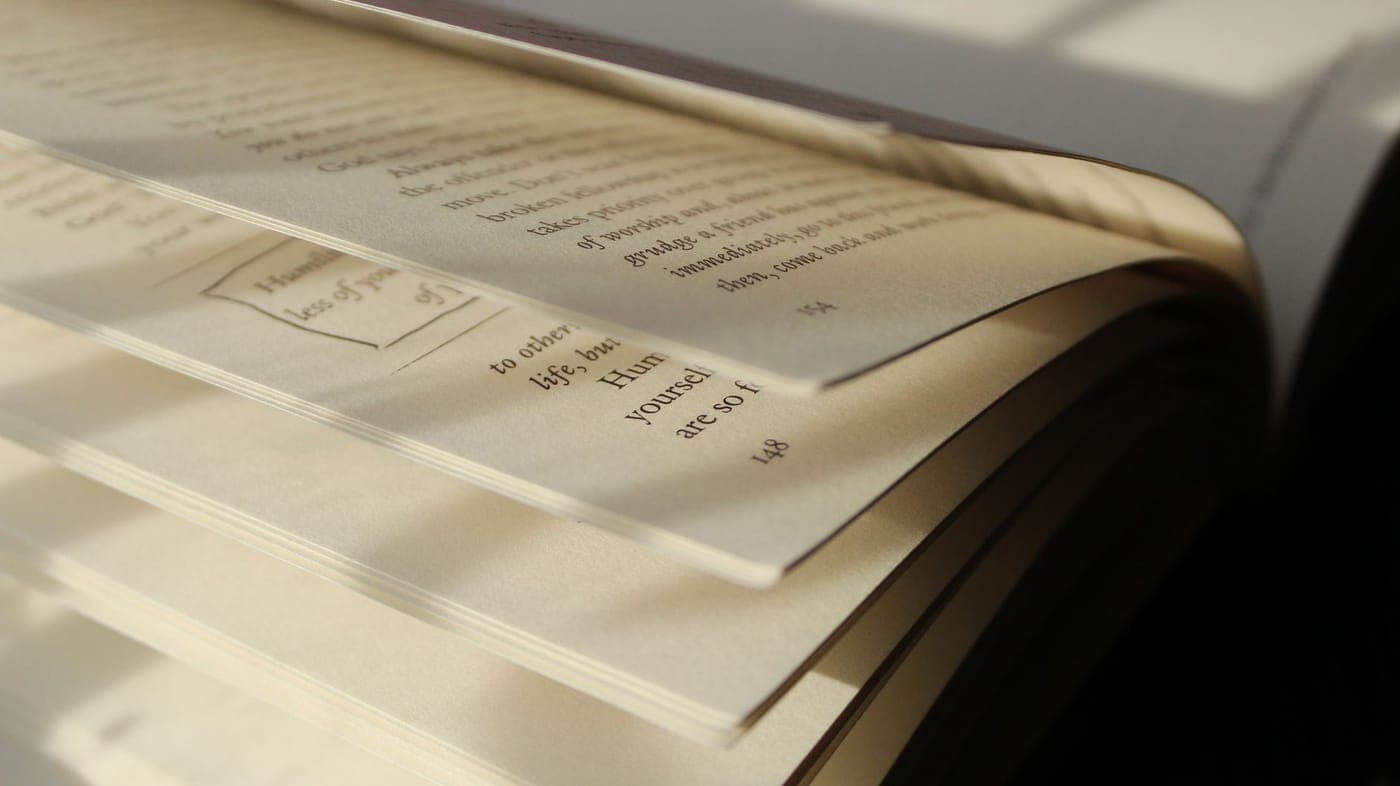
A Kindle wins on travel, storage, adjustable type and reading in the dark. Print wins on being a gift, on lending, on anything with diagrams, and on not being a device. Most heavy readers who own both use each for different situations rather than choosing.
Some links on this page are affiliate links. If you buy through one we earn a commission at no extra cost to you, and it does not change which books are here or the order they appear in. Read the full disclosure.
How we picked
This page compares formats rather than books, so the picks are titles where the format choice genuinely matters. We have not read all four.
What we do on every list: read the publisher’s own description rather than a summary of it, check print length and first publication year against library catalog data (last refreshed October 21, 2026), confirm the book is still sold in the format we suggest, and write the match line before the blurb. What we do not do is claim to have read every book here cover to cover. The full method is published, and it is written so anyone can check it.
Where each one genuinely wins
| Situation | Winner | Why |
|---|---|---|
| Traveling | Kindle | Forty books at the weight of one paperback |
| Reading in bed beside someone asleep | Kindle | Front-lit, so no lamp is needed |
| Eyesight has changed | Kindle | Adjustable type size, which no printed book offers |
| A long or heavy book | Kindle | Weight in the hand is a real constraint past 600 pages |
| As a gift | It can be inscribed, wrapped and kept | |
| Lending it on | A file cannot be handed to a friend | |
| Diagrams, maps and tables | Spatial information does not survive a small screen | |
| Flipping back to check something | Searching is fast; skimming backwards is not | |
| Reading in the bath or on a beach | A cheap paperback is genuinely disposable |
The short answer
Who each book is for, at a glance. Select a row for the full write-up.
| # | Book | Give this if | Where to buy |
|---|---|---|---|
| 1 | 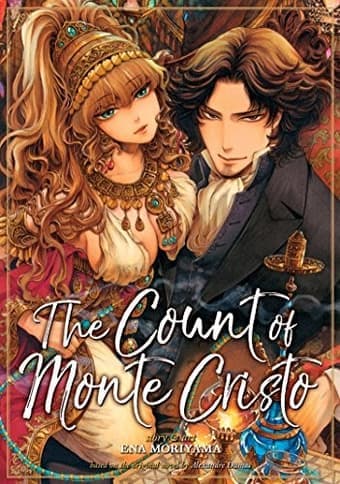 The Count of Monte CristoAlexandre Dumas · 1240 pagesRead this one on a Kindle | they want the unabridged text | |
| 2 |  An Immense WorldEd YongRead this one in print | they want to flip back and forth | |
| 3 | 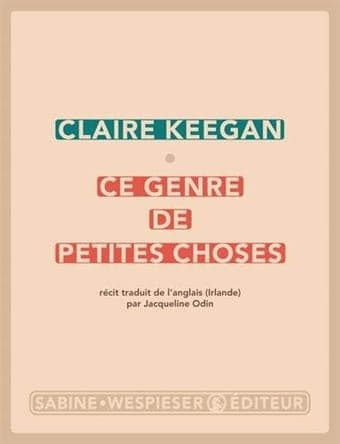 Small Things Like TheseClaire Keegan · 112 pagesGive this one in print | it is a gift | |
| 4 | 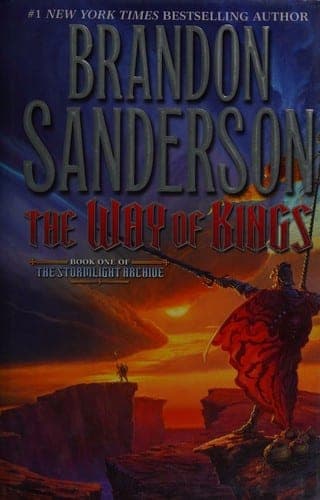 The Way of KingsBrandon Sanderson · 1008 pagesKindle for reading, print for keeping | they are committing to a long series |
#ad — buying through these links earns us a commission at no cost to you. Prices, where shown, come straight from Amazon’s product feed; the listing is always the final word.
Four books where the format matters
1. Read this one on a Kindle
The Count of Monte Cristo
Alexandre Dumas
Give this ifthey want the unabridged text
A thousand pages in small type is a physical problem — heavy in the hand and hard on the eyes. On an e-reader with adjustable text it becomes comfortable, and it is one of the most enjoyable long novels ever written.
- Print length
- 1240 pages
- Formats
- print, Kindle and audio where the publisher offers them
#ad — how we’re funded · price as of October 24, 2026
2. Read this one in print
An Immense World
Ed Yong
Give this ifthey want to flip back and forth
Nonfiction you want to return to, with a subject that rewards rereading a passage. Searching backwards is where print still has a clear practical advantage.
- First published
- 2022
- Formats
- print, Kindle and audio where the publisher offers them
#ad — how we’re funded · price as of October 24, 2026
3. Give this one in print
Small Things Like These
Claire Keegan
Give this ifit is a gift
A hundred-page hardback is an object: it can be inscribed, wrapped and handed over. No file does any of that, and for a gift that matters more than convenience.
- Print length
- 112 pages
- First published
- 2020
- Formats
- print, Kindle and audio where the publisher offers them
#ad — how we’re funded · price as of October 24, 2026
4. Kindle for reading, print for keeping
The Way of Kings
Brandon Sanderson
Give this ifthey are committing to a long series
A thousand pages per volume across a long sequence. Reading it on a device is far more comfortable; owning it in print is what people do afterwards, which is a genuine argument for both.
- Print length
- 1008 pages
- First published
- 2010
- Formats
- print, Kindle and audio where the publisher offers them
#ad — how we’re funded · price as of October 24, 2026
The argument that changes people's minds
The strongest case for an e-reader has nothing to do with technology and everything to do with eyesight. Type size in printed books is fixed, and mass-market paperbacks in particular are set small on gray paper. For a reader in their sixties or seventies, that is often the reason reading has quietly become tiring.
Adjustable type solves it completely, and large-print editions — which do exist and are worth knowing about — cover only a fraction of what is published. This is why an e-reader is frequently the best gift on our books for grandparents page, ahead of any actual book.
Owning both is the normal outcome
The predicted collapse of print did not happen, and print sales have been stable for years while e-reading also grew. What actually happened is that most committed readers ended up using both, situationally.
The pattern is consistent: device for travel, commuting, long books and the small hours; paper for gifts, for books they want to own, and for anything they expect to reread or lend. If you are buying for someone who already reads a great deal, an e-reader adds rather than replaces — which is a much easier gift to give.
What we would skip
Treating this as a choice you have to make
Almost every heavy reader who tries an e-reader keeps buying print as well, and uses each for different situations — device for travel and the small hours, paper for the books they want to own. Framing it as a loyalty question is a habit of internet argument rather than a description of how anyone actually reads.
Questions people ask
Is a Kindle better than a book?
For travel, adjustable type, long books and reading in the dark, yes. For gifts, lending, diagrams and flipping back, print. Most heavy readers use both.
Is a Kindle a good gift for someone who loves physical books?
Often, yes — most print readers who get one keep both, using the device for travel and the small hours. It is a poor gift only for someone who has actively said they dislike screens.
Do e-readers hurt your eyes?
E-ink is not a backlit screen and is closer to paper than a phone or tablet. The front light on modern devices lights the page rather than shining at you, which is why they read comfortably in the dark.
Is print dying?
No. Print sales have been broadly stable for years alongside e-reading. The two turned out to be complementary rather than substitutes, which very few people predicted.
Sources
- Open Library Search API — First publication year, median print length and cover art for every book on this page. Queried 8 September 2026.
- Kindle Unlimited signup page — The only authoritative source for current Kindle Unlimited pricing and catalog terms.
Read next
- Ebooks vs Print
Cost, retention and ownership — the three ebook questions that are not about reading.
- Is Kindle Unlimited Worth It?
The two numbers that decide it, what the catalog actually holds, and who should skip it.
- Gifts for Book Lovers That Aren't Books
For the reader who owns everything: what gets used, what gets re-gifted, and why.
- Books to Give Grandparents
Seven books chosen without condescension, and the format question that decides whether they get read.
- Kindle & KU
The Kindle Unlimited question, the Audible comparison, and print versus screen.
- Can You Print a Kindle Book?
No, and here is why, what you can print instead, and when to just buy the paper edition.
- Hardcover vs Paperback
When the hardcover earns its price, and why there are three print formats rather than two.