By occasion
Best Books for Someone Who Is Grieving
Chosen for what they do not do. No stages, no schedule, no advice.
Updated September 2026 · By Sawyer V.

The short version
Give something short, honest and without instructions. What helps is recognition — a book that describes the experience accurately — not a framework for getting through it. And say clearly that they never have to read it.
Some links on this page are affiliate links. If you buy through one we earn a commission at no extra cost to you, and it does not change which books are here or the order they appear in. Read the full disclosure.
How we picked
We ruled out anything with stages, steps or a recovery timeline, and anything that promises meaning. What remains is books written by people describing their own grief accurately, and short enough to be readable by someone whose concentration has gone. We have not read all six.
What we do on every list: read the publisher’s own description rather than a summary of it, check print length and first publication year against library catalog data (last refreshed October 21, 2026), confirm the book is still sold in the format we suggest, and write the match line before the blurb. What we do not do is claim to have read every book here cover to cover. The full method is published, and it is written so anyone can check it.
The short answer
Who each book is for, at a glance. Select a row for the full write-up.
| # | Book | Give this if | Where to buy |
|---|---|---|---|
| 1 | 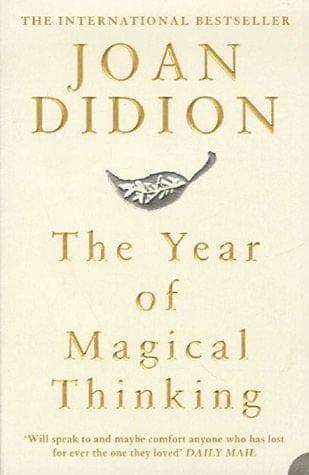 The Year of Magical ThinkingJoan Didion · 227 pagesThe most precise one | they are angry at how strange their own thinking has become | |
| 2 | 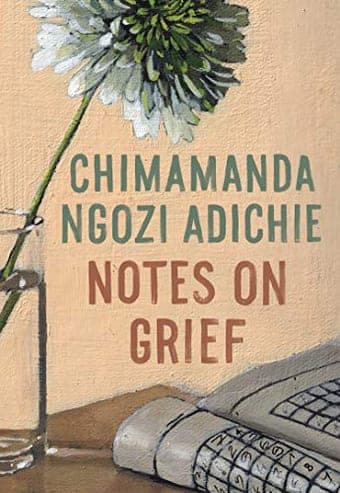 Notes on GriefChimamanda Ngozi Adichie · 72 pagesShort enough to be read | their concentration has gone entirely | |
| 3 | 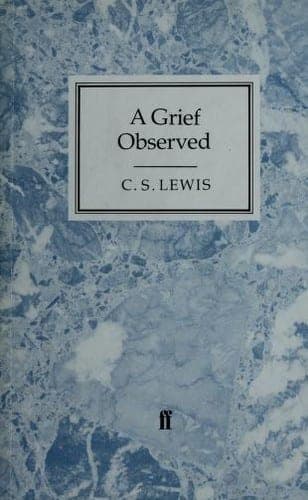 A Grief ObservedC. S. Lewis · 64 pagesFor someone whose faith is involved | they are religious, and struggling with that too | |
| 4 | 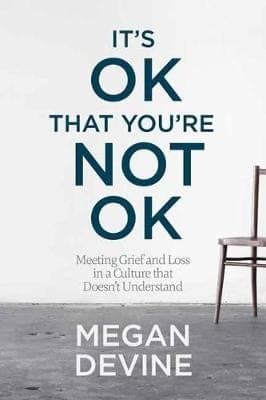 It's OK That You're Not OKMegan Devine · 284 pagesThe practical one | the people around them keep saying the wrong thing | |
| 5 |  H Is for HawkHelen Macdonald · 349 pagesFor someone who needs somewhere else to be | they would rather read about anything but this | |
| 6 |  When Breath Becomes AirPaul Kalanithi · 232 pagesFor a specific kind of loss | the death was from illness and they were there for it |
#ad — buying through these links earns us a commission at no cost to you. Prices, where shown, come straight from Amazon’s product feed; the listing is always the final word.
Six books without instructions
1. The most precise one
The Year of Magical Thinking
Joan Didion
Give this ifthey are angry at how strange their own thinking has become
The year after Didion's husband died at the dinner table, recorded with her reporting instincts intact. What it does better than anything else is name the irrationality — the shoes kept in case he comes back — which is the part that makes grieving people feel they are losing their minds.
- Print length
- 227 pages
- First published
- 2005
- Formats
- print, Kindle and audio where the publisher offers them
#ad — how we’re funded · price as of October 23, 2026
2. Short enough to be read
Notes on Grief
Chimamanda Ngozi Adichie
Give this iftheir concentration has gone entirely
A brief essay written in the months after the author's father died during the pandemic. It is under a hundred pages, and its brevity matters: a grieving person often cannot hold a long book, and being handed one is another small failure.
- Print length
- 72 pages
- First published
- 2021
- Formats
- print, Kindle and audio where the publisher offers them
#ad — how we’re funded · price as of October 23, 2026
3. For someone whose faith is involved
A Grief Observed
C. S. Lewis
Give this ifthey are religious, and struggling with that too
Notebooks kept after the death of Lewis's wife, published because the doubt in them was worth keeping. It is a religious writer failing to be comforted by his own arguments, and that honesty is why it is still given seventy years later.
- Print length
- 64 pages
- First published
- 1961
- Formats
- print, Kindle and audio where the publisher offers them
#ad — how we’re funded · price as of October 23, 2026
4. The practical one
It's OK That You're Not OK
Megan Devine
Give this ifthe people around them keep saying the wrong thing
A grief therapist's argument that grief is not a problem to be solved, with usable language for the people nearby. It is the one genuinely instructive book here, and what it instructs is mostly other people to stop trying to fix it.
- Print length
- 284 pages
- First published
- 2017
- Formats
- print, Kindle and audio where the publisher offers them
#ad — how we’re funded · price as of October 23, 2026
5. For someone who needs somewhere else to be
H Is for Hawk
Helen Macdonald
Give this ifthey would rather read about anything but this
After her father's death the author trains a goshawk, and writes about what that does and does not fix. It is about grief obliquely, through a completely absorbing subject, which for some readers is the only bearable way in.
- Print length
- 349 pages
- First published
- 2006
- Formats
- print, Kindle and audio where the publisher offers them
#ad — how we’re funded · price as of October 23, 2026
6. For a specific kind of loss
When Breath Becomes Air
Paul Kalanithi
Give this ifthe death was from illness and they were there for it
A neurosurgeon writes about his own terminal diagnosis while still practicing. It speaks most directly to people who watched someone die slowly, and it is unusually honest about the medical part rather than only the emotional one.
One caveat: Very much about dying. Wrong for anyone who is not ready to be near that yet.
- Print length
- 232 pages
- First published
- 2016
- Formats
- print, Kindle and audio where the publisher offers them
#ad — how we’re funded · price as of October 23, 2026
What actually helps, and what does not
Grieving people repeatedly say the same thing about books: what helped was recognition, and what did not was advice. A book that describes the experience accurately makes them feel less deranged. A book that explains what they should be doing adds a task.
- Short is kinder. Concentration is one of the first things to go. A hundred-page book can be read; a four-hundred-page one becomes another obligation on a pile.
- Specific beats universal. A book about one person's particular loss is easier to be near than a book about grief in general.
- No timeline. Nothing that implies a schedule for feeling better.
- No meaning-making. A book that explains what the loss was for is the fastest way to make someone put a book down.
How to give it
Say explicitly that they do not have to read it, and that you are not expecting a response. A grieving person is managing a great many obligations they did not ask for, and a book that arrives with an expectation attached becomes one more of them.
Timing matters more than the title. In the first fortnight nobody can read anything, and the flowers and cards are still arriving. A book that turns up in the second or third month, when everyone else has gone quiet, does far more than one that arrives in the first week.
What we would skip
Anything with stages, steps or a timeline
Books that organize grief into phases give a bereaved person a schedule to fail against — the implication is that by month six they should be somewhere, and when they are not, that is one more thing they are getting wrong. The five-stages model was never intended as a prescription for the bereaved in the first place. Give something that describes rather than instructs.
Questions people ask
What is a good book to give someone who is grieving?
Something short and descriptive rather than instructive. The Year of Magical Thinking and Notes on Grief both work, because they describe the experience without prescribing a way through it.
Should I give a grief book at all?
Only with the pressure removed. Say they never have to read it and you are not expecting a response. What lands badly is a book that arrives as a task disguised as sympathy.
When should I send it?
The second or third month, not the first fortnight. Early on nobody can read, and the cards are still arriving. The book that turns up after everyone has gone quiet is the one that gets read.
Is a book better than a card?
A book with a note is better than either alone. Name the person who died and one specific thing about them — the silence around the dead person's name is what bereaved people most consistently describe as the worst part.
Sources
- Open Library Search API — First publication year, median print length and cover art for every book on this page. Queried 8 September 2026.
Read next
- Best Books for Someone Who Just Retired
Seven books for the first stretch of real reading time in decades, including the long one.
- Best Books to Give as Gifts
Eight books chosen against the gift job specifically, not against literary merit.
- Book Gifts Under $15
Seven recent trade paperbacks — the tier where a gift starts to feel current.
- Best Nonfiction Books
Ten nonfiction books split by mode — narrative, argument or explainer.
- Books to Give Grandparents
Seven books chosen without condescension, and the format question that decides whether they get read.
- Best Get-Well Books
Eight gentle, absorbing books for someone who is unwell, and when an audiobook is kinder.