Head to head
Lessons in Chemistry vs Eleanor Oliphant Is Completely Fine
Both are funny about a woman nobody knows how to handle. One stays warm; the other turns much darker than its cover suggests.
Updated September 2026 · By Sawyer V.
The short version
Read Lessons in Chemistry first, and give it as a gift without hesitation: it is funny, angry and ends warmly. Read Eleanor Oliphant Is Completely Fine when you can take a book that starts as comedy and becomes a serious account of childhood trauma and isolation. Both are excellent; only one of them is safe to hand to somebody without a word of warning.
Some links on this page are affiliate links. If you buy through one we earn a commission at no extra cost to you, and it does not change which books are here or the order they appear in. Read the full disclosure.
How we picked
These two are recommended interchangeably and should not be. We compared voice, structure and how dark each one gets, because that is the difference that decides whether a gift lands. Two further picks cover readers who want the warmth without the weight. We have not read all four.
What we do on every list: read the publisher’s own description rather than a summary of it, check print length and first publication year against library catalog data (last refreshed September 24, 2026), confirm the book is still sold in the format we suggest, and write the match line before the blurb. What we do not do is claim to have read every book here cover to cover. The full method is published, and it is written so anyone can check it.
Where they part company
Both novels put a socially impossible woman at the center and let the reader work out why she is like that. The difference is what the answer turns out to be, and how hard the book hits when it arrives.
| Lessons in Chemistry | Eleanor Oliphant | |
|---|---|---|
| Setting | 1950s and 1960s California | Present-day Glasgow |
| Source of the comedy | A woman refusing to be managed | A narrator who misreads everyone |
| Where it goes | Anger, then vindication | Comedy, then trauma, then repair |
| Ending | Warm and satisfying | Hopeful, and hard-won |
| Safe as a gift? | Yes, for almost anyone | Only with a warning |
For a book club, Lessons in Chemistry produces a better discussion — there is something to argue about in how fairly the period is drawn, and everybody finishes it. Eleanor Oliphant produces a quieter conversation, and one or two members who found the last third too close to home.
The short answer
Who each book is for, at a glance. Select a row for the full write-up.
| # | Book | Give this if | Where to buy |
|---|---|---|---|
| 1 | 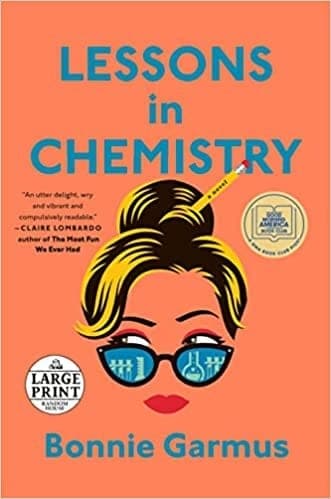 Lessons in ChemistryBonnie Garmus · 464 pagesThe safer one, and the better gift | you are buying for someone whose reading you do not know | |
| 2 | 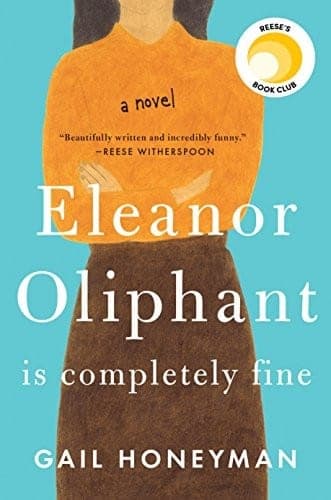 Eleanor Oliphant Is Completely FineGail Honeyman · 352 pagesThe deeper one | they can take the second half | |
| 3 |  Remarkably Bright CreaturesShelby Van Pelt · 368 pagesFor the warmth without the weight | they want to feel better at the end | |
| 4 | 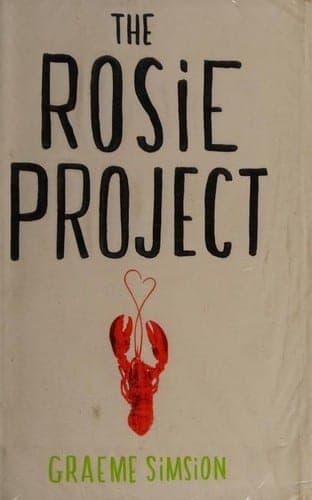 The Rosie ProjectGraeme Simsion · 326 pagesFor the lightest version | they liked the comedy and not the grief |
#ad — buying through these links earns us a commission at no cost to you. Prices, where shown, come straight from Amazon’s product feed; the listing is always the final word.
Both, and two gentler options
1. The safer one, and the better gift
Lessons in Chemistry
Bonnie Garmus
Give this ifyou are buying for someone whose reading you do not know
A 1960s chemist pushed out of her laboratory ends up teaching chemistry to housewives on a television cooking show. Funny on the surface, genuinely angry underneath, and the ending is kind to everyone who earned it.
- Print length
- 464 pages
- First published
- 2022
- Formats
- print, Kindle and audio where the publisher offers them
#ad — how we’re funded · price as of September 27, 2026
2. The deeper one
Eleanor Oliphant Is Completely Fine
Gail Honeyman
Give this ifthey can take the second half
A woman with rigid routines, no social instinct and a weekly bottle of vodka is pulled into an unlikely friendship. The comedy of the first half is real; so is the account of what happened to her, which arrives without much warning.
One caveat: Childhood abuse, self-harm and a suicide attempt. Not a comfort read.
- Print length
- 352 pages
- First published
- 2017
- Formats
- print, Kindle and audio where the publisher offers them
#ad — how we’re funded · price as of September 27, 2026
3. For the warmth without the weight
Remarkably Bright Creatures
Shelby Van Pelt
Give this ifthey want to feel better at the end
A widow cleaning an aquarium at night befriends a giant Pacific octopus who has worked out what happened to her son. Gentle, a little strange, and the safest of the four for someone going through something.
- Print length
- 368 pages
- First published
- 2022
- Formats
- print, Kindle and audio where the publisher offers them
#ad — how we’re funded · price as of September 27, 2026
4. For the lightest version
The Rosie Project
Graeme Simsion
Give this ifthey liked the comedy and not the grief
A geneticist designs a questionnaire to find a wife and meets a woman who fails every criterion. The same pleasure of a literal mind colliding with other people, with almost none of the sadness.
- Print length
- 326 pages
- First published
- 2013
- Formats
- print, Kindle and audio where the publisher offers them
#ad — how we’re funded · price as of September 27, 2026
Which one, by who is reading
| If they | Read | Because |
|---|---|---|
| Want the funniest version | Lessons in Chemistry | The jokes keep going all the way through |
| Like an unreliable narrator | Eleanor Oliphant | The voice is the whole achievement |
| Are going through something | Neither; try Remarkably Bright Creatures | Both of these go darker than they look |
| Are choosing for a book club | Lessons in Chemistry | Everyone finishes it and everyone has an opinion |
| Loved one and want the other | Either | They pair well, in this order |
Where this fits
Books like Lessons in Chemistry covers the wider shelf of prickly-outsider novels, literary fiction is the genre home for both, and gifts for book clubs covers buying several copies at once. If neither fits, what to read next is the general list.
What we would skip
Giving Eleanor Oliphant as a cheerful present
The cover art, the title and the first eighty pages all suggest a comic novel about a quirky woman, and that is how it gets wrapped and handed over. The second half is about what an adult does with a childhood nobody protected her from. It is a fine book and a bad surprise, and a one-line warning is all it takes to make it the right gift instead of the wrong one.
Questions people ask
Which should I read first, Lessons in Chemistry or Eleanor Oliphant?
Lessons in Chemistry. It is the warmer book and the better introduction to the type.
Is Eleanor Oliphant a sad book?
In its second half, yes. It opens as a comedy and becomes a serious account of childhood abuse and isolation.
Which is the better book club pick?
Lessons in Chemistry. It gets finished, and there is something to argue about in its portrait of the period.
Are they similar books?
In premise, yes; in effect, no. Both are about a woman nobody knows how to handle, but only one of them stays funny.
Sources
- Open Library Search API — First publication year, median print length and cover art for every book on this page. Queried 8 September 2026.
- Audible Premium Plus membership page — The only authoritative source for current Audible plans, prices and terms.
Read next
- What to Read Next
Read-alike lists that name the element they match, plus the how-to-choose framework.
- Books Like Lessons in Chemistry
Eight novels for a Lessons in Chemistry reader, split by whether they loved the voice, the found family or the anger.
- Best Literary Fiction Books
Ten literary novels with what each is offering stated plainly, and no pretence about the label.
- Best Books for a Book Club
Seven books with a real disagreement built in, because consensus kills a meeting.
- Best Books to Read
Nine books sorted by the reading capacity each one needs, from an evening to a fortnight.