Format
Hardcover vs Paperback
The decision you make on every book purchase, usually by accident. Four questions settle it, and none of them is about money.
Updated September 2026 · By Sawyer V.
The short version
Buy the hardcover when the book is a gift, when it is illustrated or reference, or when the reader will keep it for years. Buy the paperback for anything read once, anything carried in a bag, and almost all genre fiction. The hardcover arrives first and costs most; waiting for the paperback is usually rewarded with a lighter, cheaper object.
Some links on this page are affiliate links. If you buy through one we earn a commission at no extra cost to you, and it does not change which books are here or the order they appear in. Read the full disclosure.
How we picked
This page compares formats rather than books. The picks are titles where the format decision has a real consequence — weight, illustration, longevity or the fact that it will be handed to somebody else. Prices move constantly, so we link the live listing rather than printing a number. We have not read all four.
What we do on every list: read the publisher’s own description rather than a summary of it, check print length and first publication year against library catalog data (last refreshed September 24, 2026), confirm the book is still sold in the format we suggest, and write the match line before the blurb. What we do not do is claim to have read every book here cover to cover. The full method is published, and it is written so anyone can check it.
There are three print formats, not two
Most buyers think the choice is hardcover or paperback. In practice there are three, and the two paperbacks are not the same object at all.
- Hardcover: published first, usually by six months to a year, sewn or heavily glued, with a dust jacket. The gift format and the collector format.
- Trade paperback: the larger paperback, same page size as the hardcover, decent paper, generous margins. The best reading format for most books.
- Mass market paperback: the small rack-sized one. Cheapest, tightest margins, thinnest paper, and fine for a book you will read once.
There is also library binding, which you will mostly meet secondhand: reinforced covers built to survive hundreds of borrowers, ugly and nearly indestructible.
Four questions that settle it
| Question | If yes | Format |
|---|---|---|
| Is it a gift? | The object is part of the gift | Hardcover |
| Is it illustrated or reference? | Paper and binding are the product | Hardcover |
| Will it be carried daily? | Weight and bag wear decide it | Paperback |
| Will it be read once? | Nothing needs to survive | Mass market is fine |
The money question answers itself once those are settled. The hardcover is almost always the most expensive edition on the listing and the mass market paperback the cheapest, and the gap on any given title is visible on the page at the moment you buy — which is why we do not print numbers here.
The short answer
Who each book is for, at a glance. Select a row for the full write-up.
| # | Book | Give this if | Where to buy |
|---|---|---|---|
| 1 | 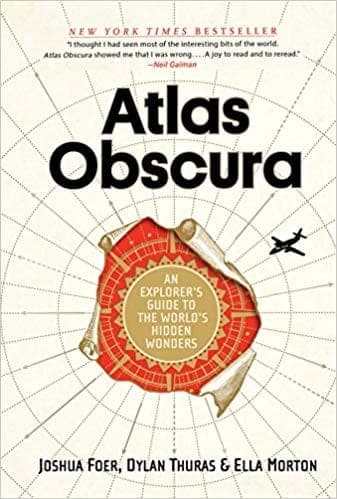 Atlas ObscuraJoshua Foer · 472 pagesHardcover, and only hardcover | it is a gift or a coffee table book | |
| 2 | 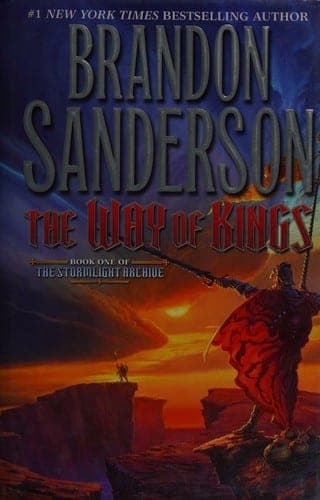 The Way of KingsBrandon Sanderson · 1008 pagesPaperback, for reading | they are actually going to carry it | |
| 3 | 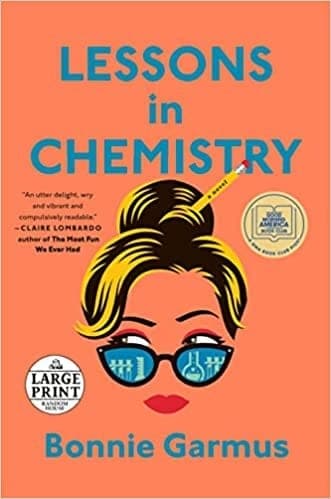 Lessons in ChemistryBonnie Garmus · 464 pagesEither, depending on the occasion | you are giving it rather than reading it | |
| 4 | 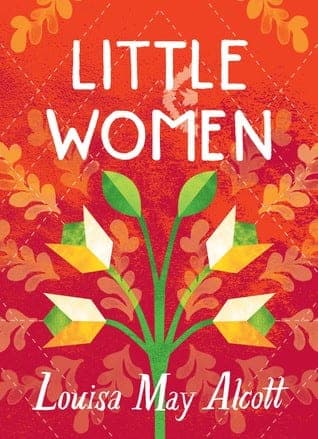 Little WomenLouisa May Alcott · 424 pagesPaperback to read, gift edition to give | it is going to a child, or being reread |
#ad — buying through these links earns us a commission at no cost to you. Prices, where shown, come straight from Amazon’s product feed; the listing is always the final word.
Four books where the format matters
1. Hardcover, and only hardcover
Atlas Obscura
Joshua Foer
Give this ifit is a gift or a coffee table book
An illustrated gazetteer of strange places, designed to be opened at random by whoever walks past. Paper quality and binding are most of what you are buying, and a paperback edition of a book like this is a worse object in every way.
- Print length
- 472 pages
- First published
- 2016
- Formats
- print, Kindle and audio where the publisher offers them
#ad — how we’re funded · price as of September 27, 2026
2. Paperback, for reading
The Way of Kings
Brandon Sanderson
Give this ifthey are actually going to carry it
Over a thousand pages of epic fantasy. In hardcover it is a doorstop that hurts to hold in bed; in paperback it is a book you finish. Buy the hardcover only if it is going on a shelf as part of a set.
One caveat: The paperback spine will not survive one reading intact. That is the trade.
- Print length
- 1008 pages
- First published
- 2010
- Formats
- print, Kindle and audio where the publisher offers them
#ad — how we’re funded · price as of September 27, 2026
3. Either, depending on the occasion
Lessons in Chemistry
Bonnie Garmus
Give this ifyou are giving it rather than reading it
The standard modern gift novel. As a present, the hardcover does work that a paperback cannot — it looks like an occasion. For your own read, the paperback is the same words for less money.
- Print length
- 464 pages
- First published
- 2022
- Formats
- print, Kindle and audio where the publisher offers them
#ad — how we’re funded · price as of September 27, 2026
4. Paperback to read, gift edition to give
Little Women
Louisa May Alcott
Give this ifit is going to a child, or being reread
A classic with a dozen editions in print at once, from cheap paperbacks to clothbound gift editions. The text is identical and out of copyright; what varies is the object, which is exactly when the format question is worth thinking about.
- Print length
- 424 pages
- Formats
- print, Kindle and audio where the publisher offers them
#ad — how we’re funded · price as of September 27, 2026
On waiting for the paperback
New books usually appear in hardcover first, with the paperback following six to twelve months later. Waiting costs you nothing but time and saves real money, and for most readers most of the time that is the right call.
Three cases justify paying for the hardcover: you want to read it now because everyone is talking about it, you are giving it as a present, or it is the kind of book you will still own in twenty years. Everything else can wait, and the paperback will be a better reading object when it arrives.
If the decision is really about cost rather than format, the honest comparison is wider than print alone: see print versus Kindle and ebooks versus print, and for free routes, free Kindle books, legally.
What we would skip
The mass market paperback, for anything you want to keep
It is the smallest and cheapest print format, and it is built to a price: tight inner margins that fight you, thin paper that yellows, and glue that cracks. For a beach read or an airport thriller that is a perfectly rational purchase. For a book you expect to reread, lend or keep on a shelf for a decade, the trade paperback costs a little more and lasts an order of magnitude longer.
Questions people ask
Is a hardcover worth the extra money?
For gifts, illustrated books and anything you will keep for years, yes. For a novel you will read once, no.
What is the difference between trade and mass market paperback?
Trade is the larger format with better paper and margins; mass market is the small rack-sized edition, cheapest and least durable.
How long after the hardcover does the paperback come out?
Usually six to twelve months for a mainstream release, though it varies by publisher and by how well the hardcover sold.
Which format is better for reading in bed?
Trade paperback for anything long. A thousand-page hardcover is genuinely uncomfortable to hold.
Sources
- Open Library Search API — First publication year, median print length and cover art for every book on this page. Queried 8 September 2026.
- Audible Premium Plus membership page — The only authoritative source for current Audible plans, prices and terms.
Read next
- Kindle & KU
The Kindle Unlimited question, the Audible comparison, and print versus screen.
- Print vs Kindle
Where paper wins, where e-ink wins, and why most heavy readers end up with both.
- Ebooks vs Print
Cost, retention and ownership — the three ebook questions that are not about reading.
- Free Kindle Books, Legally
Five legitimate routes to free ebooks, two of them permanent, plus what the paid editions add.
- Book Gifts Under $50
The tier where a book becomes an object: eight illustrated, large-format and reference gifts.