Fantasy
Best Fantasy Books for Beginners
No maps to memorize, no glossary, no commitment to nine sequels.
Updated September 2026 · By Sawyer V.
The short version
Beginner fantasy should have one unfamiliar thing in it, not twelve. Books that invent a world, a magic system, a political map and a vocabulary at once are the reason people give up in the first fifty pages.
Some links on this page are affiliate links. If you buy through one we earn a commission at no extra cost to you, and it does not change which books are here or the order they appear in. Read the full disclosure.
How we picked
Three filters: under 450 pages, no requirement to learn invented vocabulary in the first chapter, and a story that works as a standalone. That excludes a great deal of the genre's most celebrated work, which is the point of a beginner list. We have not read all seven.
What we do on every list: read the publisher’s own description rather than a summary of it, check print length and first publication year against library catalog data (last refreshed October 21, 2026), confirm the book is still sold in the format we suggest, and write the match line before the blurb. What we do not do is claim to have read every book here cover to cover. The full method is published, and it is written so anyone can check it.
The short answer
Who each book is for, at a glance. Select a row for the full write-up.
| # | Book | Give this if | Where to buy |
|---|---|---|---|
| 1 | 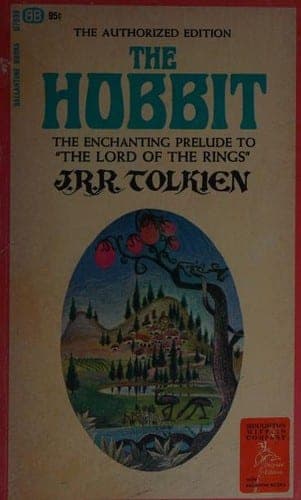 The HobbitJ. R. R. Tolkien · 310 pagesThe original, and still the easiest | they want the classic entry and nothing complicated | |
| 2 | 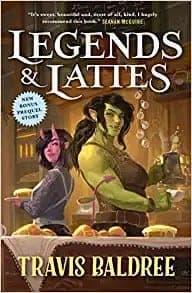 Legends & LattesTravis Baldree · 316 pagesThe lowest-stakes book in the genre | the idea of a quest sounds exhausting | |
| 3 | 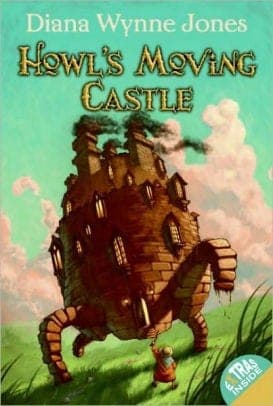 Howl's Moving CastleDiana Wynne Jones · 304 pagesCharming and quick | they liked the film, or want something light | |
| 4 | 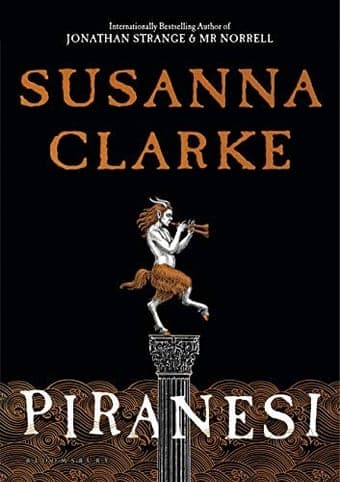 PiranesiSusanna Clarke · 272 pagesFor someone who thinks fantasy is silly | they read literary fiction and are skeptical | |
| 5 | 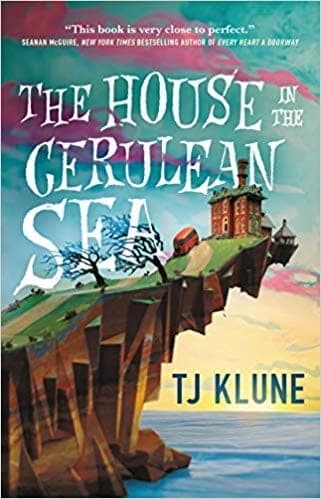 The House in the Cerulean SeaT. J. Klune · 424 pagesWarm and easy | they want to feel better rather than to be impressed | |
| 6 |  The Lies of Locke LamoraScott Lynch · 544 pagesFor someone who likes crime, not wizards | they watch heist films and are indifferent to magic | |
| 7 | 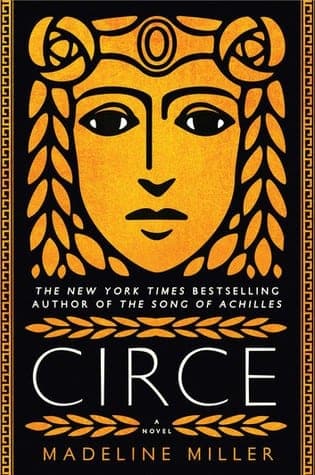 CirceMadeline Miller · 404 pagesFantasy that reads like literary fiction | they want a voice rather than a world |
#ad — buying through these links earns us a commission at no cost to you. Prices, where shown, come straight from Amazon’s product feed; the listing is always the final word.
Seven fantasy books that do not ask for homework
1. The original, and still the easiest
The Hobbit
J. R. R. Tolkien
Give this ifthey want the classic entry and nothing complicated
A hobbit is talked into a dragon-burglary expedition. Written to be read aloud, so the sentences are simple and the pace never stalls, and it stands completely alone from the trilogy that follows it.
- Print length
- 310 pages
- First published
- 1937
- Formats
- print, Kindle and audio where the publisher offers them
#ad — how we’re funded · price as of October 23, 2026
2. The lowest-stakes book in the genre
Legends & Lattes
Travis Baldree
Give this ifthe idea of a quest sounds exhausting
An orc barbarian retires from adventuring to open a coffee shop, and the tension never rises above whether the espresso machine works. Under 300 pages, and it teaches you the genre's furniture without any pressure.
- Print length
- 316 pages
- First published
- 2022
- Formats
- print, Kindle and audio where the publisher offers them
#ad — how we’re funded · price as of October 23, 2026
3. Charming and quick
Howl's Moving Castle
Diana Wynne Jones
Give this ifthey liked the film, or want something light
A hat-maker cursed into an old woman's body goes to work for a vain wizard whose castle walks. Funny, fast, and the magic is explained by being used rather than by being described.
- Print length
- 304 pages
- First published
- 1986
- Formats
- print, Kindle and audio where the publisher offers them
#ad — how we’re funded · price as of October 23, 2026
4. For someone who thinks fantasy is silly
Piranesi
Susanna Clarke
Give this ifthey read literary fiction and are skeptical
A man keeps a journal of the halls he lives in and slowly works out what the House is. There is no swordplay and no invented vocabulary, and it is one of the most acclaimed novels of the decade in any genre.
- Print length
- 272 pages
- First published
- 2020
- Formats
- print, Kindle and audio where the publisher offers them
#ad — how we’re funded · price as of October 23, 2026
5. Warm and easy
The House in the Cerulean Sea
T. J. Klune
Give this ifthey want to feel better rather than to be impressed
A caseworker inspects an orphanage of magical children and finds a family. The magic is decorative and the story is about the people, which makes it an unusually gentle way in.
- Print length
- 424 pages
- Formats
- print, Kindle and audio where the publisher offers them
#ad — how we’re funded · price as of October 23, 2026
6. For someone who likes crime, not wizards
The Lies of Locke Lamora
Scott Lynch
Give this ifthey watch heist films and are indifferent to magic
Con artists work a long game in a Venice-like city. The magic is almost absent, so what you are actually reading is a caper novel — which is a much easier first step than a book about a chosen one.
One caveat: Considerable swearing and violence. Not a general-audience book.
- Print length
- 544 pages
- Formats
- print, Kindle and audio where the publisher offers them
#ad — how we’re funded · price as of October 23, 2026
7. Fantasy that reads like literary fiction
Circe
Madeline Miller
Give this ifthey want a voice rather than a world
The witch of the Odyssey narrates her own exile. There is nothing to learn before you start, and it is carried by a single voice rather than by a system — which is the easiest structure to follow in an unfamiliar genre.
- Print length
- 404 pages
- First published
- 2018
- Formats
- print, Kindle and audio where the publisher offers them
#ad — how we’re funded · price as of October 23, 2026
Why people bounce off fantasy
It is almost never the magic. It is the load. A typical epic fantasy opening asks the reader to learn a world, a magic system, a political situation, a religion and thirty proper nouns before anything happens — and to do it while also caring about a character they have known for four pages.
Books that work for beginners solve this by introducing one unfamiliar thing at a time. The Hobbit has a world and nothing else to learn. Legends & Lattes has a familiar plot (open a business) in an unfamiliar setting. Piranesi has exactly one mystery and reveals it slowly.
The second reason is length, which we cover at more depth on fantasy under 300 pages. Nothing about the genre requires a thousand pages; that is a market convention, not a rule.
What to read second
Once one of the above has landed, the second book is where the genre opens up. Move toward the thing the first book did well: if they liked the world, try Mistborn; if they liked the voice, try The Name of the Wind; if they liked the gentleness, stay in cozy fantasy, which is a large and growing shelf.
The main fantasy page maps the four subgenres and names an entry point for each, which is the fastest way to find the second book without another false start.
What we would skip
Any book that opens with a map and a family tree
Front matter is an honest signal. A map, a dramatis personae and a pronunciation guide tell you the book expects work before it gives pleasure, which is fine for a committed reader and fatal for a new one. Come back to those after two or three books, when the furniture is familiar and the map is a pleasure rather than a warning.
Questions people ask
What is the easiest fantasy book to start with?
The Hobbit or Legends & Lattes. Both are short, both introduce one unfamiliar thing at a time, and neither requires a commitment to a series.
Do I need to read Lord of the Rings first?
No. It is the genre's foundation and it is also a demanding read with long descriptive passages. Start elsewhere and come to it when you want to — see books like Lord of the Rings for the shape of what it does.
Why do fantasy books have maps?
Because travel across a large geography is often the plot. It is a useful tool for a committed reader and an intimidating one for a new reader, which is why beginner-friendly fantasy usually does without.
Is young-adult fantasy easier to start with?
Often, yes — the pacing is faster and the world-building lighter. Six of Crows and Howl's Moving Castle are both excellent regardless of age, and neither reads as a children's book.
Sources
- Open Library Search API — First publication year, median print length and cover art for every book on this page. Queried 8 September 2026.
Read next
- Best Fantasy Books
Ten fantasy books sorted by the four things readers actually want from the genre.
- Best Fantasy Books Under 300 Pages
Seven short fantasy novels with print lengths verified against catalog data.
- Best Books for Someone Who Wants to Start Reading
Seven short books chosen for finishability, for a reader rebuilding the habit.
- Books Like Harry Potter
Eight read-alikes sorted by which part you miss — the school, the friends, the world, or being eleven.
- By Genre
Nine genre guides, each with a starting point and the books that follow it.
- Best Cozy Fantasy Books
Eight cozy fantasy books with low stakes and warm hearts.
- The Hobbit vs The Fellowship of the Ring
Where to start with Tolkien, including which one to give a nine-year-old.
- Best Adult Fantasy Books
Eight fantasy novels written for adults, from a canal-city heist to a world that breaks.