Nonfiction
Best Personal Finance Books for Beginners
Sorted by the problem they solve, because a book about debt is no use to someone whose problem is spending.
Updated September 2026 · By Sawyer V.
The short version
Start with the problem, not the bestseller list. The Psychology of Money for mindset, I Will Teach You to Be Rich for setting up automatic saving, The Total Money Makeover for debt, and The Index Card for the whole subject on one page. None of these replaces advice about your own situation.
Some links on this page are affiliate links. If you buy through one we earn a commission at no extra cost to you, and it does not change which books are here or the order they appear in. Read the full disclosure.
How we picked
We chose books a beginner can act on without a finance background, sorted them by the problem each solves, and flagged where one book's advice contradicts another's. We are not financial advisers, and nothing here is advice about anyone's own money. We have not read all eight.
What we do on every list: read the publisher’s own description rather than a summary of it, check print length and first publication year against library catalog data (last refreshed October 25, 2026), confirm the book is still sold in the format we suggest, and write the match line before the blurb. What we do not do is claim to have read every book here cover to cover. The full method is published, and it is written so anyone can check it.
The short answer
Who each book is for, at a glance. Select a row for the full write-up.
| # | Book | Give this if | Where to buy |
|---|---|---|---|
| 1 | 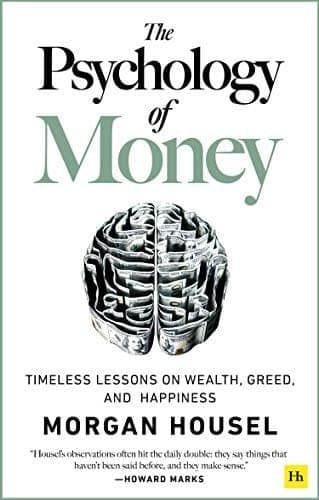 The Psychology of MoneyMorgan Housel · 289 pagesMindset | they understand money in theory and still make the same mistakes | |
| 2 | 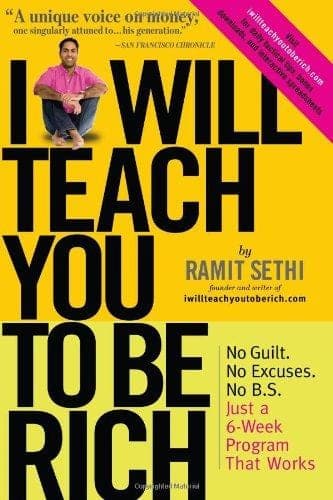 I Will Teach You to Be RichRamit Sethi · 272 pagesSetting it all up | they are in their twenties or thirties and have never automated anything | |
| 3 | 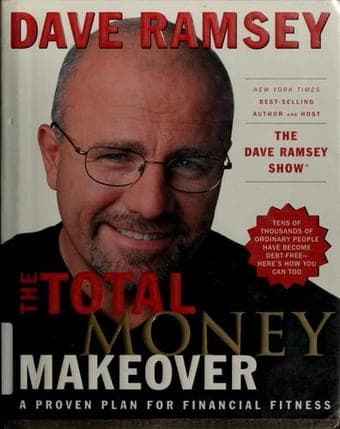 The Total Money MakeoverDave Ramsey · 240 pagesDebt | debt is the problem and they need a plan they will stick to | |
| 4 | 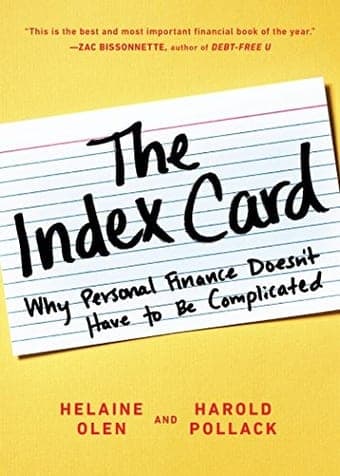 The Index CardHelaine Olen · 251 pagesThe whole subject, briefly | they want the essentials and nothing more | |
| 5 | 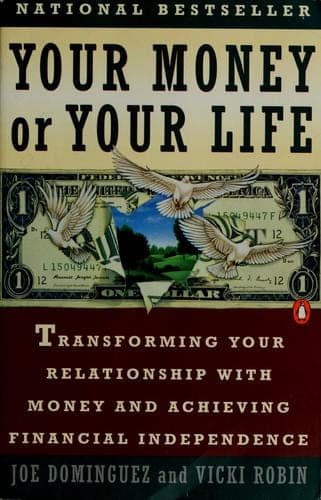 Your Money or Your LifeVicki Robin · 376 pagesSpending | money disappears and they do not know where | |
| 6 | 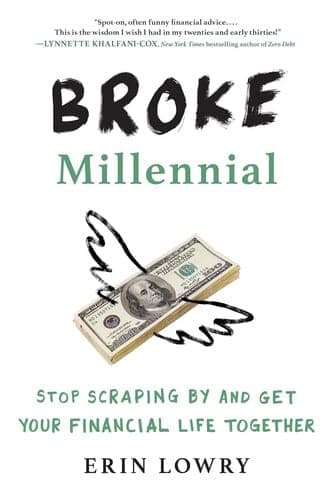 Broke MillennialErin Lowry · 275 pagesThe first budget | they are just starting out and feel behind | |
| 7 | 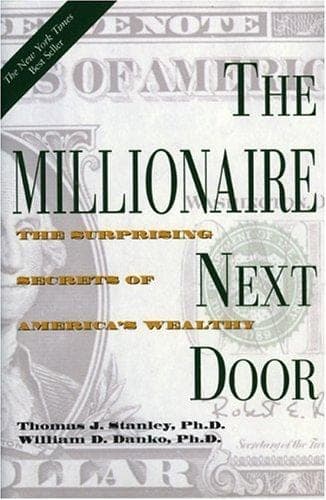 The Millionaire Next DoorThomas J. Stanley · 258 pagesThe surprising one | they assume wealthy people live like it | |
| 8 | 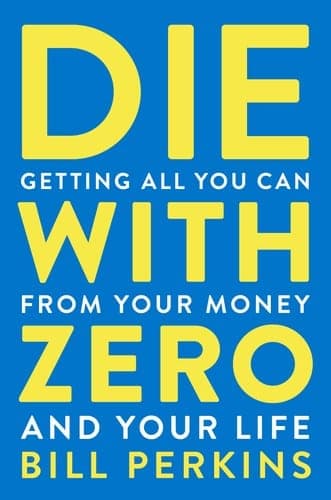 Die with ZeroBill Perkins · 240 pagesThe counterargument | they save compulsively and never enjoy it |
#ad — buying through these links earns us a commission at no cost to you. Prices, where shown, come straight from Amazon’s product feed; the listing is always the final word.
Eight, by the problem they solve
1. Mindset
The Psychology of Money
Morgan Housel
Give this ifthey understand money in theory and still make the same mistakes
Short chapters on why behavior matters more than knowledge: how luck, envy and time shape financial decisions far more than spreadsheets do. It is a money book people actually finish, and one of the least likely to date.
- Print length
- 289 pages
- First published
- 2020
- Formats
- print, Kindle and audio where the publisher offers them
#ad — how we’re funded · price as of October 25, 2026
2. Setting it all up
I Will Teach You to Be Rich
Ramit Sethi
Give this ifthey are in their twenties or thirties and have never automated anything
A six-week program for automating savings and investing, then spending without guilt on the things you actually value. Practical, specific and aimed at people who find budgets miserable.
One caveat: Written for US readers, and account details date quickly. Check current terms before acting on any of it.
- Print length
- 272 pages
- First published
- 2009
- Formats
- print, Kindle and audio where the publisher offers them
#ad — how we’re funded · price as of October 25, 2026
3. Debt
The Total Money Makeover
Dave Ramsey
Give this ifdebt is the problem and they need a plan they will stick to
A step-by-step plan for getting out of debt, paying off the smallest balances first to build momentum. Its strength is behavioral: people stay on it.
One caveat: Its rules on credit cards and investing are stricter than many planners recommend. Use it for the debt plan rather than as a whole philosophy.
- Print length
- 240 pages
- First published
- 2003
- Formats
- print, Kindle and audio where the publisher offers them
#ad — how we’re funded · price as of October 25, 2026
4. The whole subject, briefly
The Index Card
Helaine Olen
Give this ifthey want the essentials and nothing more
The authors argue the core rules of personal finance fit on a single index card, then explain each rule in turn. Short, sensible and a good antidote to the idea that money has to be complicated.
- Print length
- 251 pages
- First published
- 2016
- Formats
- print, Kindle and audio where the publisher offers them
#ad — how we’re funded · price as of October 25, 2026
5. Spending
Your Money or Your Life
Vicki Robin
Give this ifmoney disappears and they do not know where
A nine-step program built on one idea: measure every purchase in hours of your working life. It changes how people see spending, and it is often cited as a founding text of the financial-independence movement.
- Print length
- 376 pages
- First published
- 1992
- Formats
- print, Kindle and audio where the publisher offers them
#ad — how we’re funded · price as of October 25, 2026
6. The first budget
Broke Millennial
Erin Lowry
Give this ifthey are just starting out and feel behind
Plain money advice for people in their twenties, from a first budget and student loans to talking about money with a partner. Friendly, specific and never condescending.
- Print length
- 275 pages
- First published
- 2017
- Formats
- print, Kindle and audio where the publisher offers them
#ad — how we’re funded · price as of October 25, 2026
7. The surprising one
The Millionaire Next Door
Thomas J. Stanley
Give this ifthey assume wealthy people live like it
Survey research on how many American millionaires actually live: modestly, in ordinary houses, below their means. The central point — that visible spending and actual wealth often diverge — is the reason to read it.
One caveat: Its data is from the 1990s.
- Print length
- 258 pages
- First published
- 1996
- Formats
- print, Kindle and audio where the publisher offers them
#ad — how we’re funded · price as of October 25, 2026
8. The counterargument
Die with Zero
Bill Perkins
Give this ifthey save compulsively and never enjoy it
The case for spending on experiences while you are young enough to enjoy them, rather than dying with savings you never used. It deliberately argues against the rest of this shelf, which is why it belongs on it.
- Print length
- 240 pages
- First published
- 2020
- Formats
- print, Kindle and audio where the publisher offers them
#ad — how we’re funded · price as of October 25, 2026
Start with the problem
Personal finance books are usually recommended as though everyone had the same problem. They do not. Someone carrying credit card debt needs a different book from someone who earns well and saves nothing, and both need a different book from someone who saves obsessively and cannot enjoy any of it.
| If their problem is | Give | Because |
|---|---|---|
| Debt | The Total Money Makeover | A plan built for momentum |
| Never saving | I Will Teach You to Be Rich | It automates the saving |
| Money disappearing | Your Money or Your Life | It makes spending visible |
| Mindset | The Psychology of Money | Behavior beats knowledge |
| Overwhelm | The Index Card | The whole subject on one card |
| Saving too much | Die with Zero | Permission to spend |
Where these books disagree
The books on this page do not agree with one another, and that is useful. The Total Money Makeover says to pay off the smallest debt first; many planners would pay the highest interest rate first. Die with Zero says spend more; The Millionaire Next Door says spend less.
A beginner does not need to resolve every argument. They need one plan they will follow. Pick the book that matches their problem, and treat the others as perspective.
Giving a money book
A money book given unasked can read as a comment on someone's finances, which is the last thing most people want from a relative. The safe occasions are the ones where money is already the subject: a graduation, a first job, a new home, a marriage.
For those, graduation gifts and books for college students cover the wider shelf, and investing for beginners is the natural next book once the basics are in place. For someone starting a business, books for entrepreneurs covers that side. Several of these work well in audio, and the subscription panel on this page explains who that suits.
What these books are not
These are books, not advice. Tax rules, account types and contribution limits change, and the right move depends on circumstances no book can see. Read them for the principles, then check the current rules — or talk to a fee-only adviser — before acting on anything involving real money.
Two ways to read this list for less
If several books here appeal, a subscription usually beats buying them one at a time — but only for the right kind of reader. Here is who each one actually suits.
Audible Premium Plus
For anyone whose hands are busy
Driving, walking, cooking, cleaning. It converts hours that were never available for reading, which is a bigger effect than any discount. Books bought with a credit stay yours after you cancel — titles from the included catalog do not, and confusing the two is the most common complaint about the service.
See Audible plans and current pricingHow Audible actually works — credits, gifting and what happens when you cancel.
Kindle Unlimited
For fast readers who browse
It pays off from about three ebooks a month, in the genres the catalog covers well — romance, romantasy, cozy mystery, thriller, progression fantasy. It does not pay off if you are waiting on a specific new hardcover, because those are usually not included. Everything is borrowed, not owned.
See Kindle Unlimited terms and pricingIs Kindle Unlimited worth it? — the arithmetic, done on your own reading.
#ad — how we are funded. We print no subscription prices anywhere on this site, because they change and a stale figure sends you to a checkout expecting something that is not there. And if you read in silence in a chair, neither of these is for you — buy the book, or borrow it from your library.
What we would skip
Rich Dad Poor Dad
The most famous personal finance book of the last thirty years is also one of the least useful for a beginner. Its advice is vague exactly where a new saver needs specifics, and critics have questioned several of its central claims. Every book above gives a beginner something concrete to do next week.
Questions people ask
What is the best personal finance book for beginners?
It depends on the problem. The Psychology of Money for mindset, I Will Teach You to Be Rich for setting up saving, and The Total Money Makeover for debt.
Is Rich Dad Poor Dad worth reading?
It is famous, but vague where a beginner needs specifics. The books on this page give a beginner something concrete to do next.
What is a good short money book?
The Index Card argues the essentials fit on a single card and explains each rule briefly. The Psychology of Money is also written in short, self-contained chapters.
Is a money book a good gift?
On the right occasion — a graduation, a first job, a new home. Given unasked, it can read as a comment on someone's finances.
Sources
- Open Library Search API — First publication year, median print length and cover art for every book on this page. Queried 8 September 2026.
- Audible Premium Plus membership page — The only authoritative source for current Audible plans, prices and terms.
Read next
- Best Nonfiction Books
Ten nonfiction books split by mode — narrative, argument or explainer.
- Best Investing Books for Beginners
Eight investing books for beginners, from the case for index funds to the classic to save for later.
- Best Books for Entrepreneurs
Eight books for someone starting a business, sorted by the stage they have reached.
- Best Books to Give as Graduation Gifts
Seven books for a week when everyone else is handing out advice.
- Best Self-Help Books
Nine self-help books that hold up, including two that argue against the rest of the shelf.