Sci-fi
Best Dystopian Novels
Every dystopia is an argument about the present. Sorted by what each one fears.
Updated September 2026 · By Sawyer V.
The short version
Choose a dystopia by the fear it explores. Nineteen Eighty-Four imagines control through surveillance and fear, Brave New World through pleasure, Fahrenheit 451 through the loss of books, and The Handmaid's Tale through control of women's bodies. The Hunger Games is the way in for younger readers.
Some links on this page are affiliate links. If you buy through one we earn a commission at no extra cost to you, and it does not change which books are here or the order they appear in. Read the full disclosure.
How we picked
We chose dystopias that stay in print because their warnings still land, sorted them by the kind of control they imagine, and included one young adult entry and two writers who widened the form. We have not read all eight.
What we do on every list: read the publisher’s own description rather than a summary of it, check print length and first publication year against library catalog data (last refreshed October 25, 2026), confirm the book is still sold in the format we suggest, and write the match line before the blurb. What we do not do is claim to have read every book here cover to cover. The full method is published, and it is written so anyone can check it.
The short answer
Who each book is for, at a glance. Select a row for the full write-up.
| # | Book | Give this if | Where to buy |
|---|---|---|---|
| 1 | 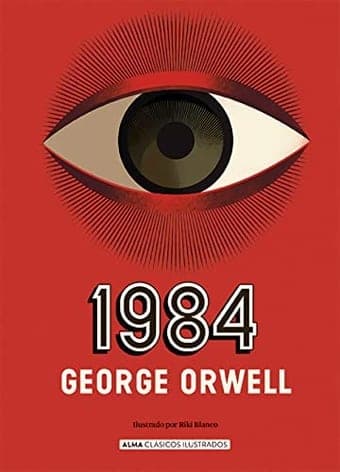 1984George OrwellControl by surveillance | they want the dystopia every other one is measured against | |
| 2 | 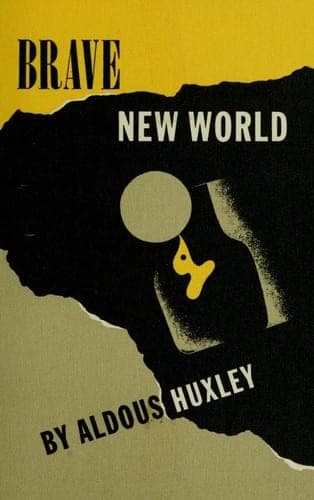 Brave New WorldAldous Huxley · 240 pagesControl by pleasure | they think comfort is more dangerous than cruelty | |
| 3 | 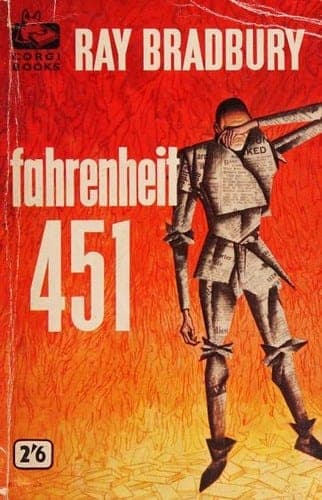 Fahrenheit 451Ray Bradbury · 189 pagesControl of ideas | they love books, or worry about attention | |
| 4 | 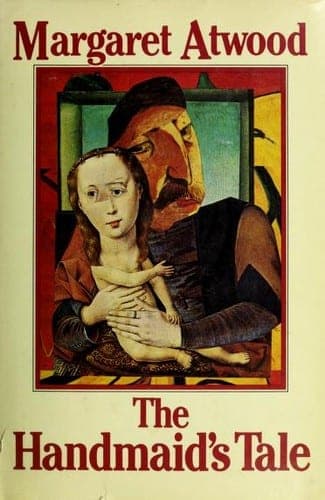 The Handmaid's TaleMargaret Atwood · 352 pagesControl of bodies | they want the modern classic | |
| 5 | 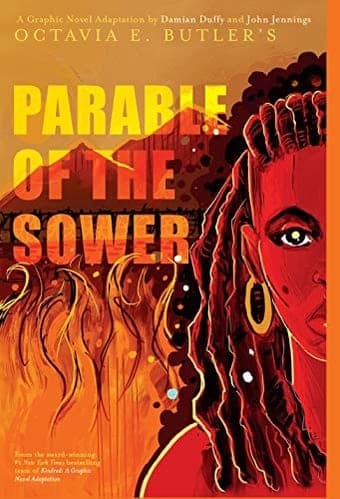 Parable of the SowerOctavia E. Butler · 320 pagesCollapse, not tyranny | they worry about climate and inequality | |
| 6 | 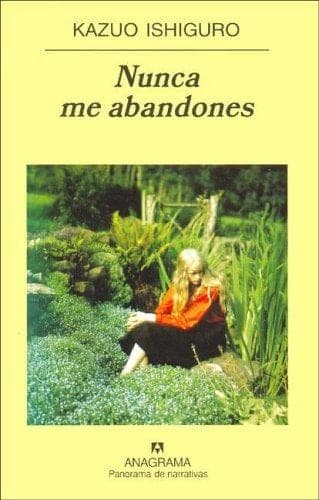 Never Let Me GoKazuo Ishiguro · 319 pagesThe quiet one | they prefer literary fiction to genre | |
| 7 | 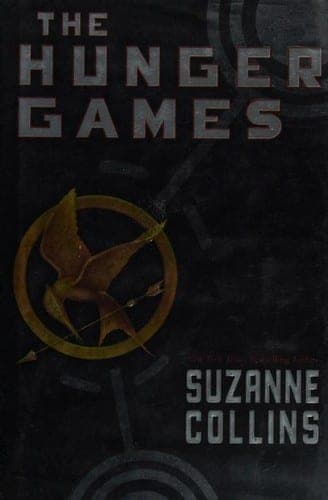 The Hunger GamesSuzanne Collins · 399 pagesThe young adult gateway | they are a teenager, or want pure momentum | |
| 8 | 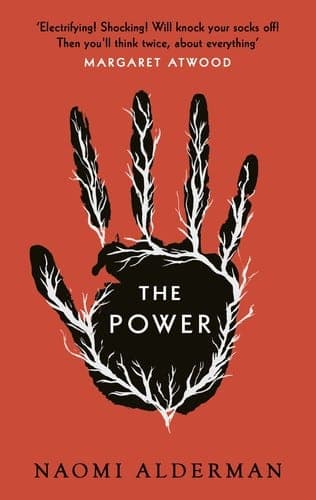 The PowerNaomi Alderman · 352 pagesThe reversal | they like a thought experiment |
#ad — buying through these links earns us a commission at no cost to you. Prices, where shown, come straight from Amazon’s product feed; the listing is always the final word.
Eight dystopias, sorted by what they fear
1. Control by surveillance
1984
George Orwell
Give this ifthey want the dystopia every other one is measured against
A clerk in a totalitarian state that watches everything begins a forbidden love affair and a quiet rebellion. It gave the language Big Brother, doublethink and Room 101, and it still reads as a warning rather than a period piece.
- Formats
- print, Kindle and audio where the publisher offers them
#ad — how we’re funded · price as of October 25, 2026
2. Control by pleasure
Brave New World
Aldous Huxley
Give this ifthey think comfort is more dangerous than cruelty
A future World State keeps its citizens content through engineered birth, conditioning and a drug called soma. The dystopia with no obvious villain, and to many readers the more plausible of the two classics.
- Print length
- 240 pages
- First published
- 1932
- Formats
- print, Kindle and audio where the publisher offers them
#ad — how we’re funded · price as of October 25, 2026
3. Control of ideas
Fahrenheit 451
Ray Bradbury
Give this ifthey love books, or worry about attention
A fireman whose job is burning books begins, secretly, to read them. Short, fierce, and more about a population that stopped wanting to read than about censorship alone.
- Print length
- 189 pages
- First published
- 1953
- Formats
- print, Kindle and audio where the publisher offers them
#ad — how we’re funded · price as of October 25, 2026
4. Control of bodies
The Handmaid's Tale
Margaret Atwood
Give this ifthey want the modern classic
In a theocratic future America, a woman is assigned to bear children for a powerful household. Atwood has said she included nothing that had not already happened somewhere in history, which is why it has never stopped feeling current.
- Print length
- 352 pages
- First published
- 1985
- Formats
- print, Kindle and audio where the publisher offers them
#ad — how we’re funded · price as of October 25, 2026
5. Collapse, not tyranny
Parable of the Sower
Octavia E. Butler
Give this ifthey worry about climate and inequality
In a collapsing 2020s California, a teenage girl with an unusual condition flees her walled community and begins to build a new faith. Written decades before the years it imagines, it has become uncomfortably familiar.
- Print length
- 320 pages
- First published
- 1993
- Formats
- print, Kindle and audio where the publisher offers them
#ad — how we’re funded · price as of October 25, 2026
6. The quiet one
Never Let Me Go
Kazuo Ishiguro
Give this ifthey prefer literary fiction to genre
Students at an English boarding school slowly come to understand what they have been raised for. No uprising and no villain in uniform — just acceptance, which is the most frightening thing about it.
- Print length
- 319 pages
- First published
- 2005
- Formats
- print, Kindle and audio where the publisher offers them
#ad — how we’re funded · price as of October 25, 2026
7. The young adult gateway
The Hunger Games
Suzanne Collins
Give this ifthey are a teenager, or want pure momentum
A girl volunteers in her sister's place for a televised fight to the death. Fast and gripping, and sharper about spectacle and inequality than its reputation suggests.
- Print length
- 399 pages
- First published
- 2008
- Formats
- print, Kindle and audio where the publisher offers them
#ad — how we’re funded · price as of October 25, 2026
8. The reversal
The Power
Naomi Alderman
Give this ifthey like a thought experiment
Teenage girls around the world suddenly develop the ability to release electrical jolts, and the balance of power between the sexes flips. A provocative what-if that turns the usual dystopia inside out.
One caveat: Violent, including sexual violence.
- Print length
- 352 pages
- Formats
- print, Kindle and audio where the publisher offers them
#ad — how we’re funded · price as of October 25, 2026
Every dystopia fears something specific
| If the fear is | Read | Because |
|---|---|---|
| Surveillance | Nineteen Eighty-Four | The state that watches everything |
| Comfort | Brave New World | Control through pleasure rather than pain |
| Losing ideas | Fahrenheit 451 | A society that stopped wanting books |
| Control of women | The Handmaid's Tale | A theocracy built on bodies |
| Collapse | Parable of the Sower | No tyrant, just a society coming apart |
That is also the best way to choose one as a gift: match the fear to the reader. Someone anxious about technology will take Nineteen Eighty-Four; someone who worries about climate will take Parable of the Sower.
Dystopian or post-apocalyptic?
The two are often shelved together but differ. A dystopia is a society that works — just horribly. A post-apocalyptic novel is about what comes after society has failed. Station Eleven belongs to the second kind, and it sits on the main science fiction list for readers who want that instead.
For the genre's founding books more broadly, see science fiction of all time. Dystopian classics are also widely available in audio, and the subscription panel on this page explains who that suits.
Two ways to read this list for less
If several books here appeal, a subscription usually beats buying them one at a time — but only for the right kind of reader. Here is who each one actually suits.
Audible Premium Plus
For anyone whose hands are busy
Driving, walking, cooking, cleaning. It converts hours that were never available for reading, which is a bigger effect than any discount. Books bought with a credit stay yours after you cancel — titles from the included catalog do not, and confusing the two is the most common complaint about the service.
See Audible plans and current pricingHow Audible actually works — credits, gifting and what happens when you cancel.
Kindle Unlimited
For fast readers who browse
It pays off from about three ebooks a month, in the genres the catalog covers well — romance, romantasy, cozy mystery, thriller, progression fantasy. It does not pay off if you are waiting on a specific new hardcover, because those are usually not included. Everything is borrowed, not owned.
See Kindle Unlimited terms and pricingIs Kindle Unlimited worth it? — the arithmetic, done on your own reading.
#ad — how we are funded. We print no subscription prices anywhere on this site, because they change and a stale figure sends you to a checkout expecting something that is not there. And if you read in silence in a chair, neither of these is for you — buy the book, or borrow it from your library.
What we would skip
Treating dystopian fiction as young adult only
After The Hunger Games, dystopian fiction became a young adult category in many readers' minds. The genre's most unsettling books are written for adults, and several are short. If a reader liked The Hunger Games, the next step is Fahrenheit 451 or Never Let Me Go, not the tenth trilogy about a chosen teenager.
Questions people ask
What is the best dystopian novel?
Nineteen Eighty-Four is the usual answer, with Brave New World as its opposite and The Handmaid's Tale as the modern classic.
What should I read after The Hunger Games?
Fahrenheit 451 for something short and fierce, or Never Let Me Go for something quiet and devastating.
Nineteen Eighty-Four or Brave New World?
Nineteen Eighty-Four imagines control through fear; Brave New World imagines it through pleasure. Many readers find the second more plausible today.
What is the difference between dystopian and post-apocalyptic fiction?
A dystopia is a functioning society that is terrible; post-apocalyptic fiction is about the world after society has collapsed.
Sources
- Open Library Search API — First publication year, median print length and cover art for every book on this page. Queried 8 September 2026.
- Audible Premium Plus membership page — The only authoritative source for current Audible plans, prices and terms.
Read next
- Best Sci-Fi Books
Ten science fiction books grouped by the four separate pleasures the genre offers.
- Best Sci-Fi Books of All Time
Eight science fiction books listed by what each one gave the genre.
- Best Books for Teens
Eight books a teenager might pick up voluntarily, with the syllabus deliberately excluded.
- Best Sci-Fi Books for Beginners
Six science fiction books that change one thing and explain everything else.
- Best Literary Fiction for Beginners
Eight literary novels with a real story, for readers who usually choose plot first.
- Books Like The Hunger Games
Eight dystopian novels for a Hunger Games reader: the game, the rebellion, or more of Panem.
- Banned Books Worth Reading
Ten of the most challenged books in American schools, what the objection says, and why each is worth it.