Sci-fi
Best Sci-Fi Books for Beginners
No physics, no invented vocabulary, no nine-book commitment.
Updated September 2026 · By Sawyer V.
The short version
Beginner science fiction should change one thing about the world and then behave normally. Books that change five things at once and expect you to keep up are the reason people think the genre is hard.
Some links on this page are affiliate links. If you buy through one we earn a commission at no extra cost to you, and it does not change which books are here or the order they appear in. Read the full disclosure.
How we picked
Filters: one clear premise, no invented vocabulary to learn in the first chapter, under 450 pages, and standalone or effectively so. That excludes several of the genre's monuments, which is what a beginner list is for. We have not read all six.
What we do on every list: read the publisher’s own description rather than a summary of it, check print length and first publication year against library catalog data (last refreshed October 21, 2026), confirm the book is still sold in the format we suggest, and write the match line before the blurb. What we do not do is claim to have read every book here cover to cover. The full method is published, and it is written so anyone can check it.
The short answer
Who each book is for, at a glance. Select a row for the full write-up.
| # | Book | Give this if | Where to buy |
|---|---|---|---|
| 1 | 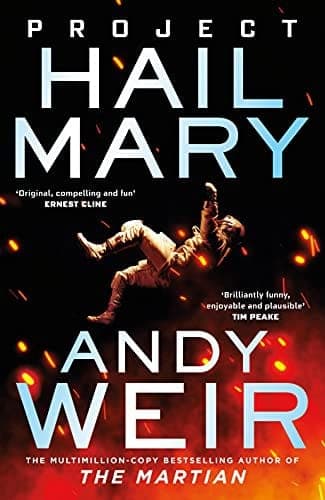 Project Hail MaryAndy Weir · 496 pagesThe highest conversion rate | you get one attempt and want the best odds | |
| 2 | 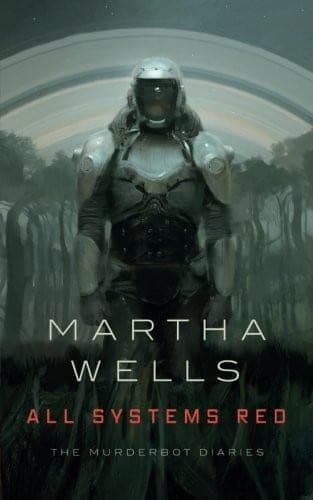 All Systems RedMartha Wells · 158 pagesShortest possible commitment | they will not start something long | |
| 3 | 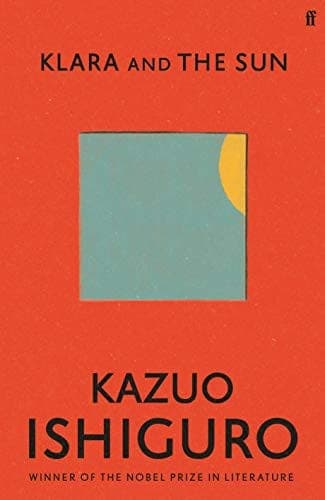 Klara and the SunKazuo Ishiguro · 334 pagesFor a literary reader | they read literary fiction and think the genre is silly | |
| 4 | 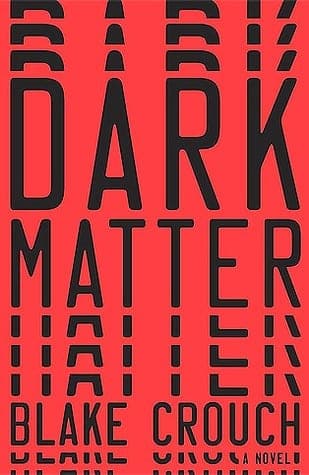 Dark MatterBlake Crouch · 366 pagesThriller pace | they read thrillers and nothing else | |
| 5 | 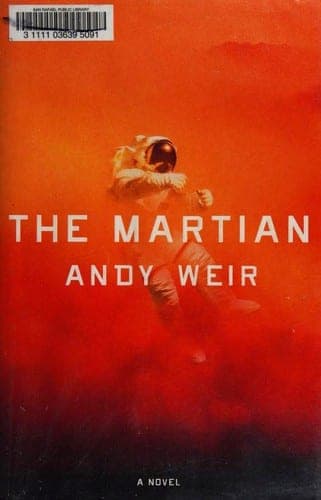 The MartianAndy Weir · 407 pagesOne problem, no world-building | they liked the film and want the book | |
| 6 | 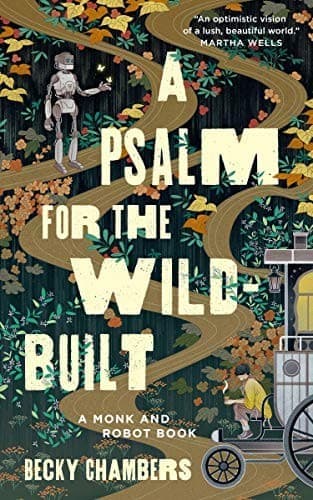 A Psalm for the Wild-BuiltBecky Chambers · 147 pagesGentle, and very short | they associate the genre with bleakness |
#ad — buying through these links earns us a commission at no cost to you. Prices, where shown, come straight from Amazon’s product feed; the listing is always the final word.
Six science fiction books that need no preparation
1. The highest conversion rate
Project Hail Mary
Andy Weir
Give this ifyou get one attempt and want the best odds
A man wakes on a spacecraft with no memory and a problem that ends the solar system. Everything is explained as it arrives, the pace never drops, and the reader is never expected to already know anything.
- Print length
- 496 pages
- First published
- 2021
- Formats
- print, Kindle and audio where the publisher offers them
#ad — how we’re funded · price as of October 24, 2026
2. Shortest possible commitment
All Systems Red
Martha Wells
Give this ifthey will not start something long
A security android has hacked its governor module and would rather watch television than talk to humans. About 150 pages, extremely funny, and it can be finished in one evening.
- Print length
- 158 pages
- First published
- 2017
- Formats
- print, Kindle and audio where the publisher offers them
#ad — how we’re funded · price as of October 24, 2026
3. For a literary reader
Klara and the Sun
Kazuo Ishiguro
Give this ifthey read literary fiction and think the genre is silly
An artificial friend in a shop window watches the street, and is bought. It is written by a Nobel laureate, it contains no jargon, and it is science fiction in the way that matters rather than in the way that intimidates.
- Print length
- 334 pages
- First published
- 2019
- Formats
- print, Kindle and audio where the publisher offers them
#ad — how we’re funded · price as of October 24, 2026
4. Thriller pace
Dark Matter
Blake Crouch
Give this ifthey read thrillers and nothing else
A physics professor is abducted and wakes in a life that is his, except for everything. It behaves exactly like a thriller and happens to have a science fiction premise, which is the easiest possible crossing point.
- Print length
- 366 pages
- First published
- 2016
- Formats
- print, Kindle and audio where the publisher offers them
#ad — how we’re funded · price as of October 24, 2026
5. One problem, no world-building
The Martian
Andy Weir
Give this ifthey liked the film and want the book
An astronaut left behind on Mars keeps himself alive with botany and arithmetic. There is no invented society and no politics — one man, one planet, a list of problems.
- Print length
- 407 pages
- First published
- 2011
- Formats
- print, Kindle and audio where the publisher offers them
#ad — how we’re funded · price as of October 24, 2026
6. Gentle, and very short
A Psalm for the Wild-Built
Becky Chambers
Give this ifthey associate the genre with bleakness
A tea monk meets the first robot to approach humans in centuries. Around 160 pages, nothing bad happens, and it is a useful demonstration that the genre is not obliged to be grim.
- Print length
- 147 pages
- First published
- 2021
- Formats
- print, Kindle and audio where the publisher offers them
#ad — how we’re funded · price as of October 24, 2026
The one-change rule
Good beginner science fiction changes one thing and then behaves normally. Project Hail Mary changes one thing about the sun. The Martian changes nothing at all except the location. Klara and the Sun changes one thing about who does the caring.
Difficult science fiction changes five things at once — the politics, the biology, the vocabulary, the timeline and the physics — and expects the reader to hold all of it while also caring about a stranger. Committed readers find that thrilling. It is a terrible first experience.
You do not need to understand the science
The commonest worry is that a reader will be lost without a physics background. In practice the opposite is true: the genre's best writers explain everything the reader needs, because a book that requires outside knowledge cannot sell.
And a large part of the genre contains no meaningful science at all. Never Let Me Go and Station Eleven use one changed circumstance to look at people, which is closer to literary fiction than to engineering. The main sci-fi page sorts the shelf by which pleasure a reader is after.
What we would skip
The canonical classics, first
Foundation, Neuromancer, Dune. All important, all frequently recommended to beginners, and all demanding in ways a new reader has no reason to tolerate — dense invented vocabulary, assumed familiarity with the genre's conventions, and prose from a different era of publishing. Read two or three modern ones first and the classics become a pleasure instead of an obstacle.
Questions people ask
What sci-fi book should I read first?
Project Hail Mary for pace and problem-solving, All Systems Red if you want something very short, or Klara and the Sun if you come from literary fiction.
Do I need to understand physics?
No. Good science fiction explains what the reader needs, and a large part of the genre contains no meaningful science at all — it uses one changed circumstance to look at people.
Should I start with the classics?
Not first. Foundation, Neuromancer and Dune are important and demanding in ways a new reader has no reason to tolerate. Read two or three modern books first.
Is science fiction depressing?
A lot of the famous work is bleak, but the genre's fastest-growing corner is deliberately hopeful. A Psalm for the Wild-Built and All Systems Red are both warm, short and easy.
Sources
- Open Library Search API — First publication year, median print length and cover art for every book on this page. Queried 8 September 2026.
Read next
- Best Sci-Fi Books
Ten science fiction books grouped by the four separate pleasures the genre offers.
- Best Space Opera Books
Eight space operas sorted by scale, from one android to an entire civilization.
- Best Books for Someone Who Doesn't Like Reading
Seven books with a hook on page one, for someone whose aversion started at school.
- Best Fantasy Books for Beginners
Seven fantasy books with no map, no glossary and no nine-book commitment.
- Best Fantasy Books Under 300 Pages
Seven short fantasy novels with print lengths verified against catalog data.
- By Genre
Nine genre guides, each with a starting point and the books that follow it.
- Project Hail Mary vs The Martian
Same author, same engine: which Weir novel to read first, and what to read after both.
- Best Hard Sci-Fi Books
Eight novels where the physics is load-bearing, sorted by how much science you signed up for.